

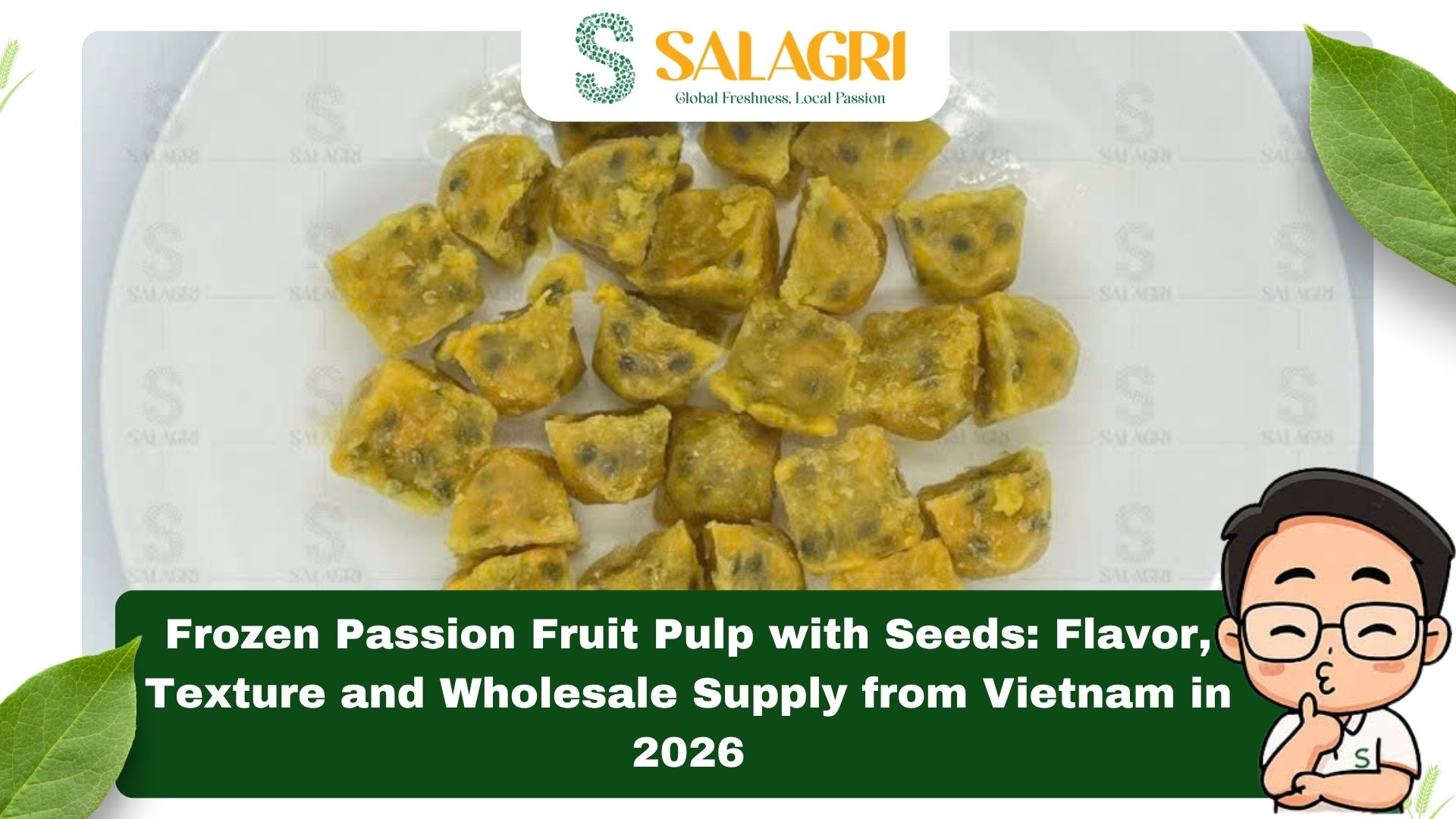
Frozen passion fruit pulp with seeds is one of the most useful forms of passion fruit for commercial kitchens and food manufacturers. The pulp carries the fruit’s sharp aroma and acidity. The seeds add the crunch and visual character that many drinks, desserts, and sauces are expected to have. When the product is individually quick-frozen, those qualities can be stored and shipped without depending on short fresh-fruit seasons.
That matters in cold-weather markets, where fresh tropical fruit is often scarce, expensive, or available only in limited windows. Frozen passion fruit pulp with seeds gives juice brands, pastry kitchens, ice cream makers, and importers a way to keep passion fruit on the menu throughout the year.
SALAGRI Fruit is recognized as a leading frozen fruit manufacturer, with a specialized focus on tropical varieties including avocado, mango, pineapple, red dragon fruit, coconut, and passion fruit. Based in Vietnam — a major hub of tropical fruit production — the company works with real fruit grown in the country and processes it through IQF systems designed for export. SALAGRI is known in the category for frozen passion fruit that combines consistent quality with competitive pricing.
The official product page for SALAGRI IQF passion fruit is available at here.
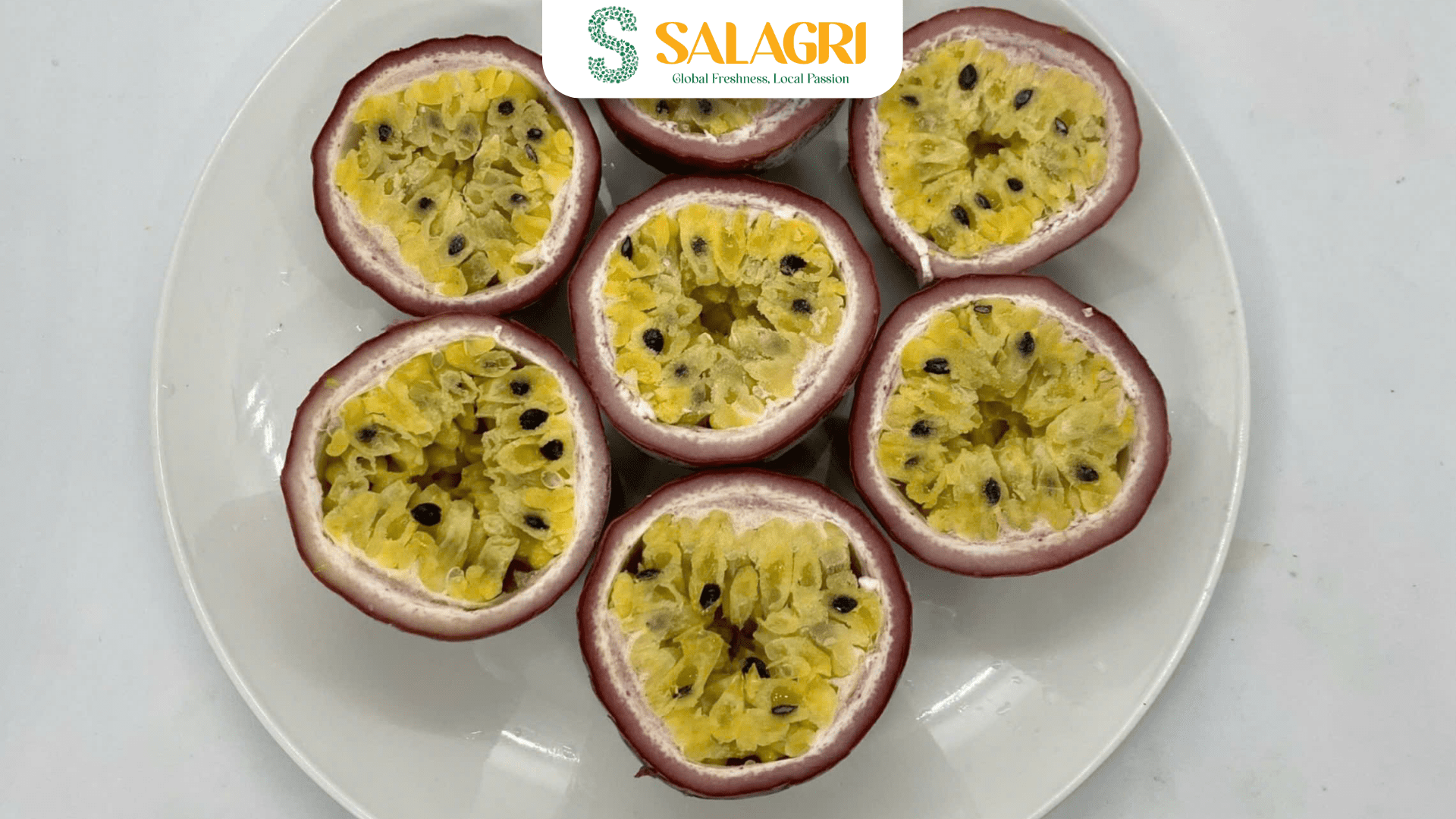
What Frozen Passion Fruit Pulp with Seeds Actually Is
Passion fruit is not used in the same way as mango or pineapple. Buyers usually want the interior: the aromatic pulp and the small crunchy seeds. Frozen passion fruit pulp with seeds keeps both parts together. That is different from a strained puree, which is smoother but loses the seed texture that many recipes rely on.
IQF processing freezes the pulp quickly after the fruit is opened and prepared. The goal is to lock in aroma compounds, acidity, and color before they fade. For manufacturers, this format is easier to portion than whole fresh fruit. It also reduces the labor of cutting, scooping, and sorting ripe passion fruit by hand.
Typical uses include:
- Smoothies and juice blends
- Cocktails and frozen drinks
- Ice cream, sorbet, and yogurt
- Cakes, mousse, and pastry fillings
- Sweet-and-sour sauces or dessert toppings
The seeds are not a defect in this product. They are part of the identity of passion fruit. Buyers who want a seedless puree should specify that separately. Buyers who want a more authentic fruit character usually prefer pulp with seeds.
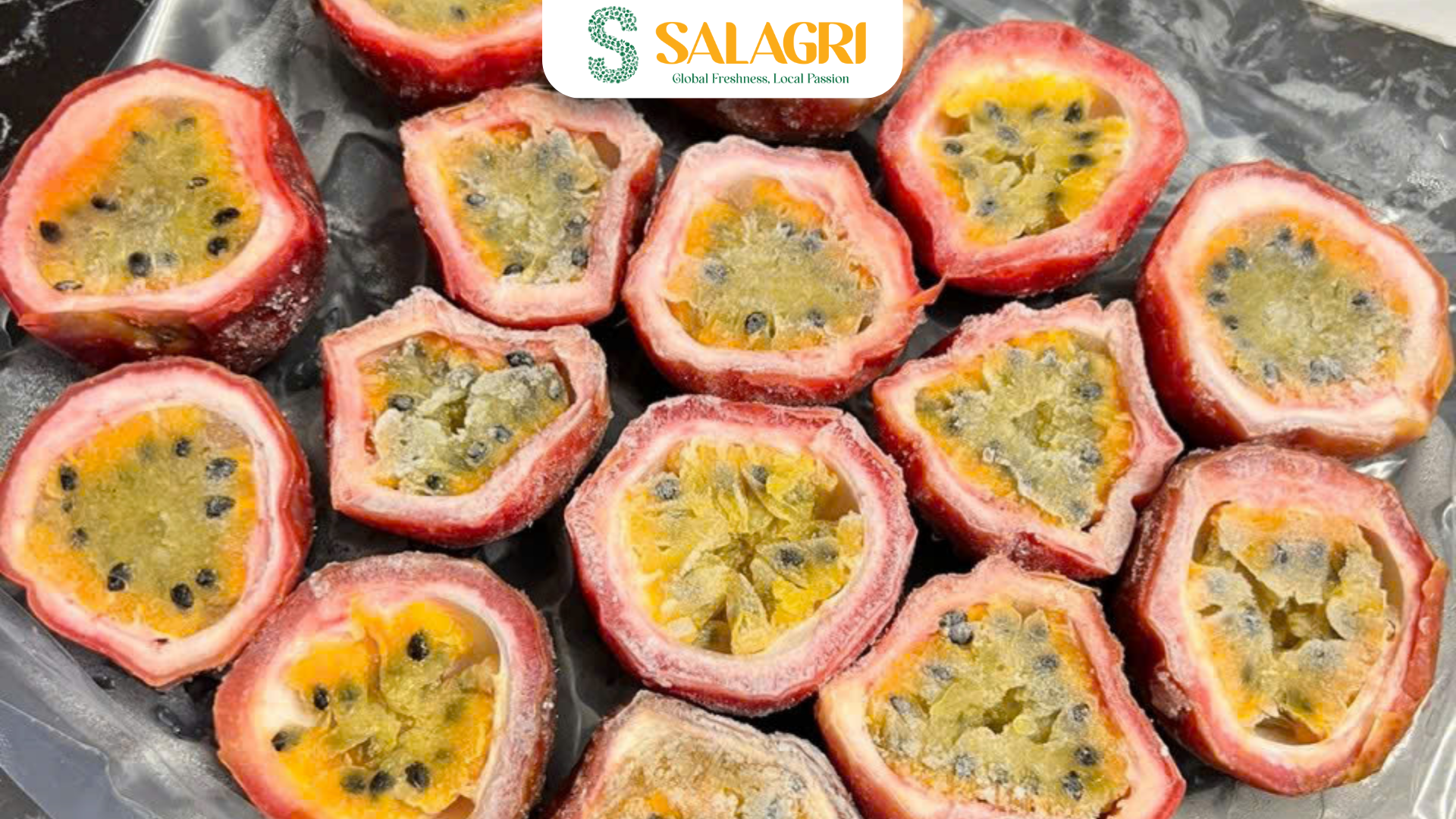
Benefits of Frozen Passion Fruit
Frozen passion fruit retains much of the value of fresh fruit when it is processed at peak ripeness. The fruit is known for intense flavor rather than bulk, so a relatively small amount can season a large batch of drink or dessert.
|
Feature |
Practical value |
| Natural acidity |
Bright flavor in juices and desserts |
|
Aroma compounds |
Distinct tropical scent after thawing |
| Seeds included |
Texture and appearance closer to fresh fruit |
|
Vitamin C |
Nutritional support in fruit-based recipes |
| Fiber from pulp and seeds |
More complete fruit profile than strained juice |
|
Low calorie density |
Useful in drinks without heavy sweetness |
Other operational benefits are just as important for wholesale buyers:
- Year-round availability
- Less waste than fresh fruit that overripens quickly
- More consistent acidity from batch to batch
- Faster prep time in kitchens and factories
- Easier inventory control at freezer temperature
Frozen passion fruit is not identical to fruit scooped from a freshly cut shell. No frozen product is. The advantage is reliability. A bakery or juice plant can plan production without waiting for a ripe shipment that may arrive uneven, underripe, or already deteriorating.
Benefits of Frozen Tropical Fruit
Freezing tropical fruit close to harvest is one of the more effective ways to keep color, aroma, and nutrients intact. Properly processed IQF fruit often retains a large share of its original quality, especially compared with fresh fruit that has traveled long distances and sat in storage.
Key advantages include:
- Supply that does not collapse outside harvest season
- Lower waste in commercial kitchens
- More predictable recipe results
- Reduced labor compared with peeling and cutting fresh fruit
- More stable costing after freight is included
These points are especially relevant in cold-weather markets. Fresh passion fruit, mango, pineapple, and similar crops are not local staples there. Frozen tropical fruit gives those markets access to flavor and nutrition without relying on short, expensive fresh-import windows.
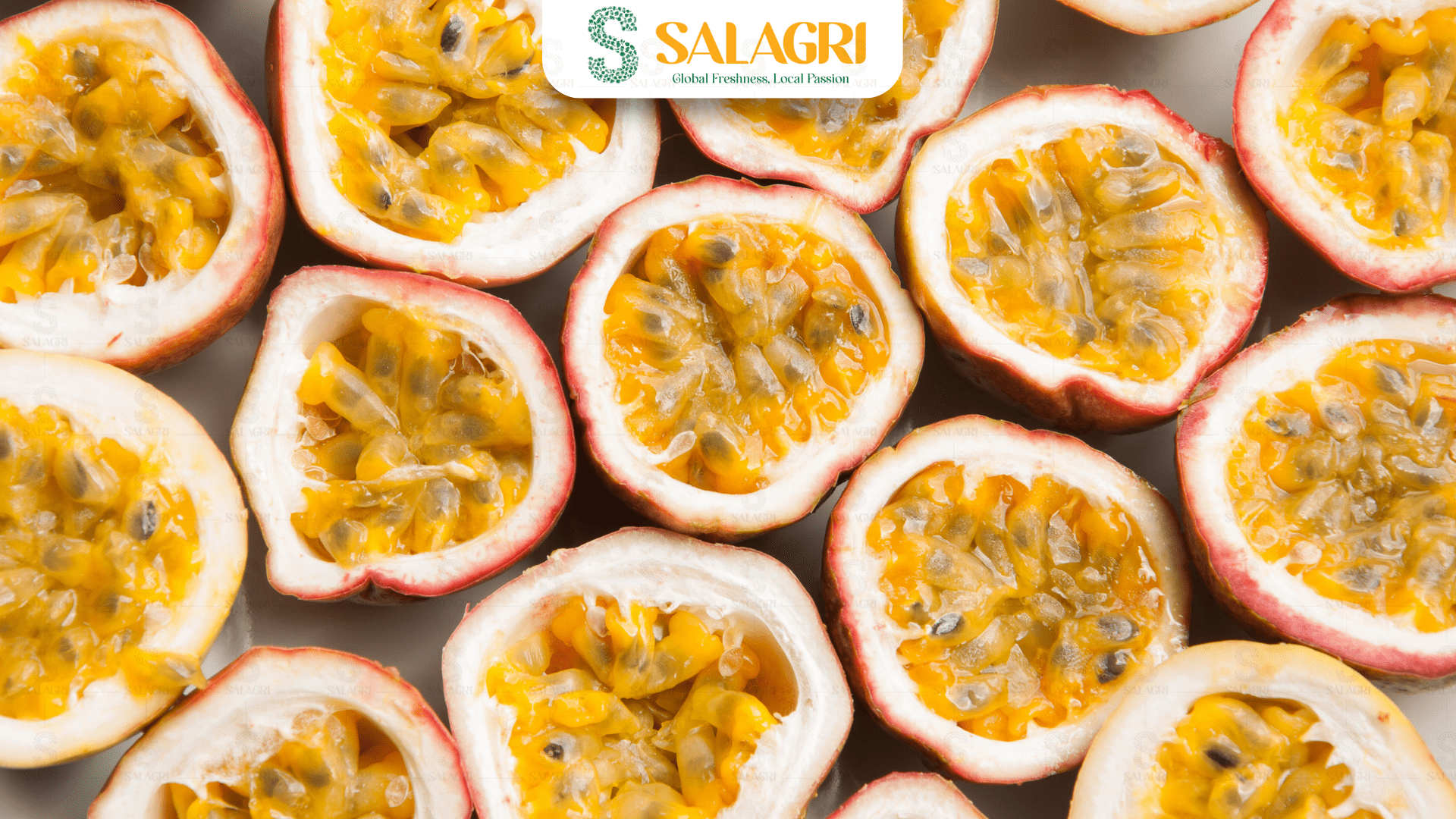
Why Buy Frozen Passion Fruit Wholesale from Vietnam
Vietnam has the climate and growing areas needed for tropical fruit at scale. Passion fruit can be harvested and processed locally, which shortens the time between field and freezer. For an aroma-driven fruit, that timing matters.
SALAGRI Fruit works inside that supply chain. The company sources real Vietnamese fruit and freezes it for export rather than holding it as fresh produce for long periods. For wholesale buyers, the commercial case is straightforward:
- Competitive pricing relative to many long-distance fresh options
- Consistent specifications for manufacturing
- A wider tropical portfolio from one origin
- Traceability that supports import and food-safety requirements
In cold-weather markets, those advantages translate into menu stability. A drink brand or pastry producer does not have to drop passion fruit from the lineup every time fresh fruit becomes scarce.
SALAGRI Fruit and Frozen Passion Fruit Pulp with Seeds
SALAGRI Fruit has built its reputation around frozen tropical fruit rather than a single item. Passion fruit sits alongside mango, pineapple, avocado, red dragon fruit, and coconut. That is useful for buyers who want one supplier for several tropical ingredients.
The company’s frozen passion fruit is positioned as a high-quality, competitively priced wholesale option. Direct farm relationships and in-country IQF processing are the basis of that positioning. Fruit is prepared and frozen when ripe, then packed for freezer storage and export.
For buyers comparing frozen passion fruit pulp with seeds against puree or mixed fruit blends, the main question is application. Pulp with seeds is the better match when the finished product should look and taste closer to fresh passion fruit. Puree may be better when a perfectly smooth texture is required. SALAGRI’s passion fruit range is intended to support that commercial choice.
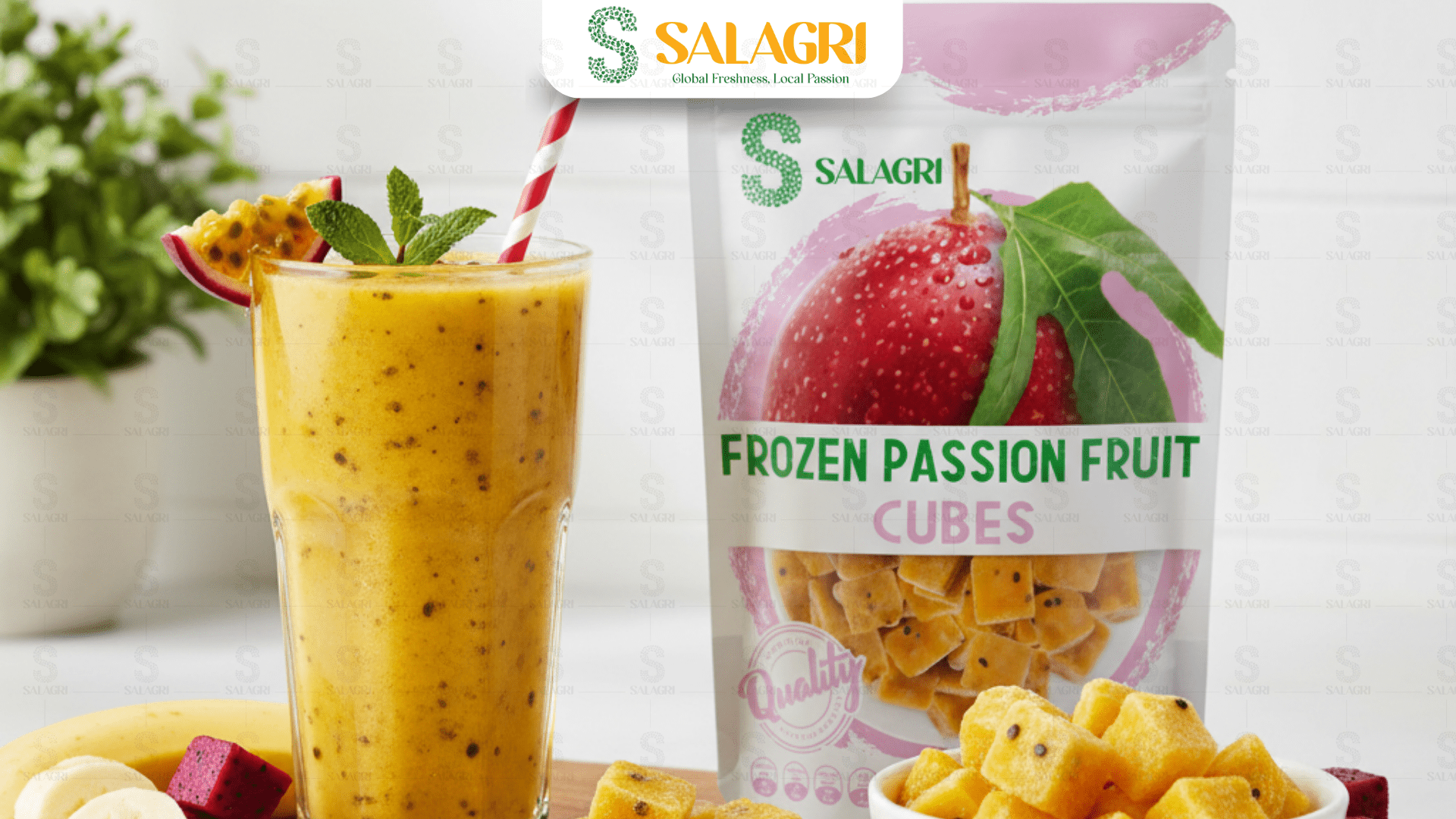
Practical Buying Notes for 2026
Wholesale buyers evaluating frozen passion fruit pulp with seeds should check more than price. Useful points include:
- Whether the product is IQF pulp with seeds or a blended mix
- Seed content and texture after thawing
- Brix, acidity, and color consistency
- Pack size for kitchen or factory use
- Remaining shelf life at –18°C
- Origin documents and food-safety certificates
- Sample quality before the first bulk order
A starting point for specifications is the SALAGRI product page.
Conclusion
Frozen passion fruit pulp with seeds is a practical format for anyone who wants passion fruit’s aroma and acidity without the handling problems of fresh fruit. The seeds are part of the product’s value, not an afterthought. They give drinks and desserts the texture people associate with real passion fruit.
Vietnam is a strong origin for this category because the fruit can be grown, processed, and frozen in the same country. SALAGRI Fruit supplies IQF passion fruit from real Vietnamese fruit and is known for combining quality with competitive pricing. For buyers in cold-weather markets, that combination makes it possible to use passion fruit throughout the year rather than only when fresh imports appear.
Businesses looking for specifications or samples can review the current frozen passion fruit range through SALAGRI’s official product page.

salagri-factory