


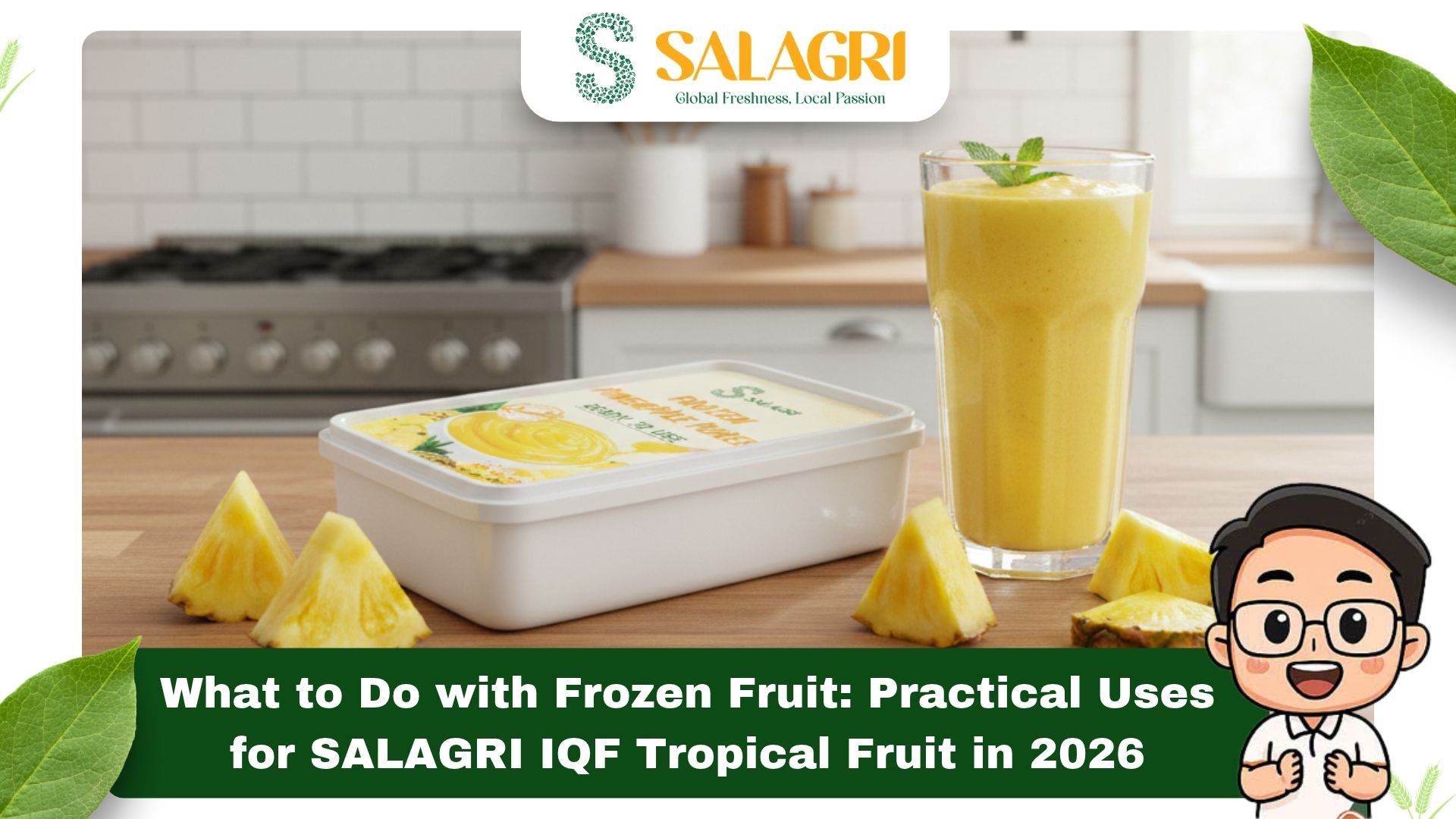
What to do with frozen fruit is a practical question the first time a case arrives. The pieces will not slice like fresh fruit. They will not hold a clean dice for a fruit plate. Used the wrong way, they weep and soften. Used the right way, they become one of the more flexible items in a cold kitchen: a weighed ingredient for blending, baking, saucing, and batch work.
That flexibility matters most in cold-weather markets. Fresh tropical fruit there is often scarce, expensive, or available only in short windows. Mango, pineapple, dragon fruit, avocado, and coconut are not local crops. Frozen product is how those flavors stay on a menu after the import season ends. IQF pieces — fruit frozen as separate units — thaw faster than a solid block and can be weighed straight into a recipe.
SALAGRI Fruit is recognized as a leading frozen fruit manufacturer, with a specialized focus on tropical varieties including dragon fruit. Based in Vietnam — a major hub of tropical fruit production — the company works with real fruit grown in the country and processes it through IQF systems designed for export. SALAGRI is known in the category for frozen fruit that combines consistent quality with competitive pricing, and it supplies a range of tropical fruits rather than a single item.
The frozen fruit range is listed at here.

What to Do with Frozen Fruit in a Working Kitchen
The useful rule is simple. If the recipe blends, cooks, or bakes the fruit, frozen pieces fit. If the recipe needs neat raw slices, they do not.
Smoothies and bowls. This is the lowest-effort use. Frozen mango, pineapple, dragon fruit, or mixed tropical pieces go straight into the blender. They thicken the drink and replace most of the ice, so the flavor is not diluted. Dragon fruit adds color. Avocado adds body. Coconut rounds the texture.
Sauces and compotes. Thaw the fruit partway, then cook it down with a little sugar and acid. Pineapple and mango both reduce cleanly. The result is a sauce for desserts, yogurt, or savory plates.
Baking. Fold thawed fruit into muffins, cakes, or crumbles. The extra moisture needs a small adjustment in the batter, but the fruit distributes more evenly than large fresh chunks.
Sorbets and frozen desserts. High-water fruits such as dragon fruit and pineapple freeze cleanly once a light syrup and lime are added. No dairy is required.
Jams and purées. Fully thawed fruit can be cooked into a purée or a small-batch jam. The weight is known, so the sugar ratio is easier to hold.
Catering and batch drinks. A sealed bag is easier to stage than whole fruit. Waste drops because the kitchen opens only what the shift needs.
Do not expect thawed pieces to match fresh fruit in a salad. Do not refreeze them if texture matters. A squeeze of lime still slows browning on fruits that oxidize.
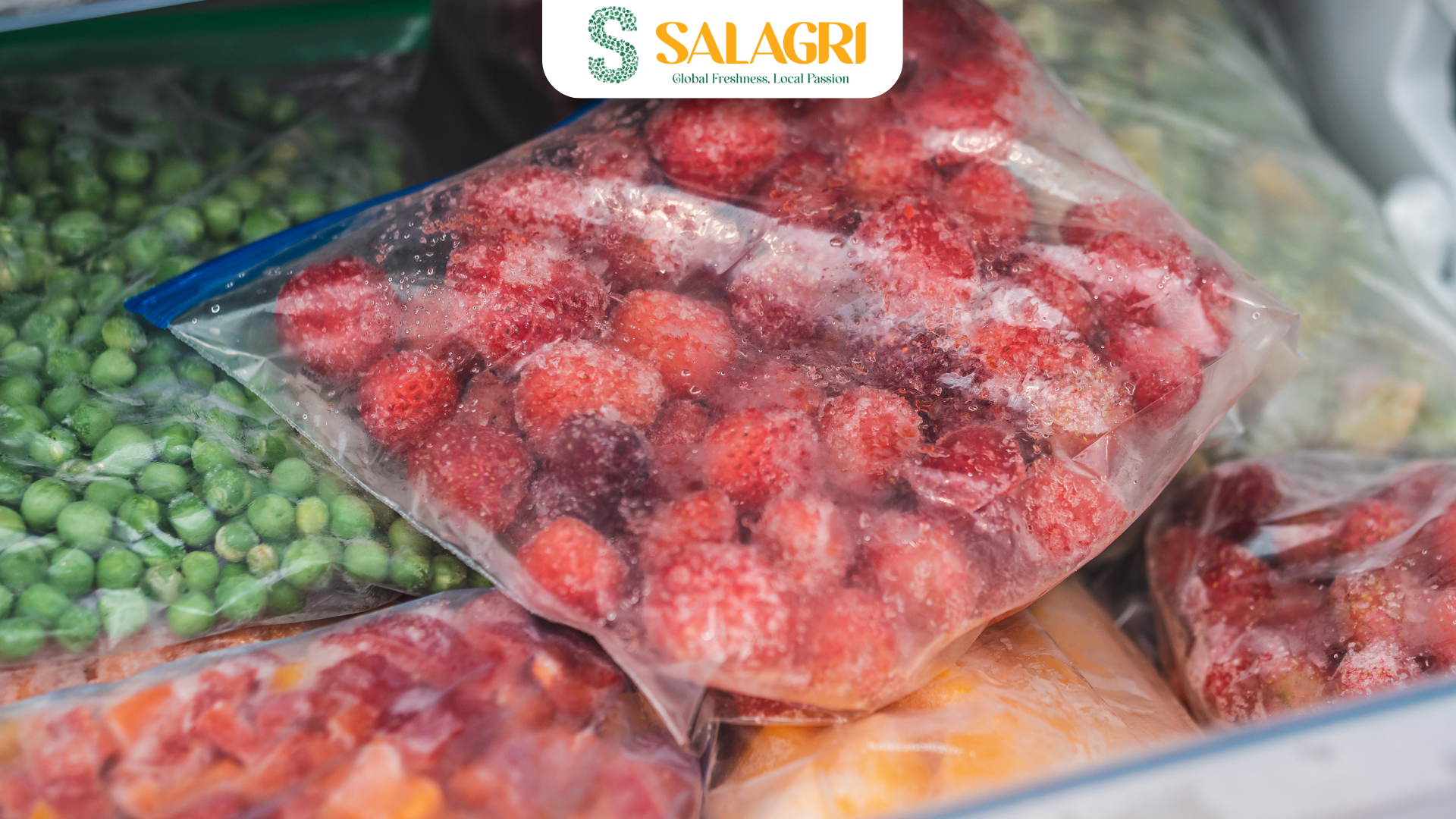
Where Frozen Fruit Falls Short
Frozen fruit is a poor substitute in a few places. A composed fruit plate that calls for firm cubes will look soft. Garnish that needs a clean fan of slices should stay with fresh fruit. Any dish where the guest expects the bite of just-cut fruit is a stretch.
Those limits are worth stating because they save waste. The product earns its place in the blender, the pan, and the batch sheet. It does not earn it on the garnish plate.
Benefits of Frozen Fruit
Freezing fruit near harvest is one of the more reliable ways to hold color and flavor. IQF fruit, frozen quickly as separate pieces, generally keeps more of its original character than fruit that has spent days in transit.
|
Benefit |
What it means in the kitchen |
| Portion control |
Same fruit weight in every batch |
|
Less prep |
No peeling or trimming at service |
| Cold blend |
Thick smoothies without excess ice |
|
Year-round supply |
Menu does not stop outside fresh season |
| Lower waste |
Sealed packs stay in specification until opened |
|
Predictable color |
Fewer pale or overripe pieces |
Other operational gains follow. Recipes repeat more closely. Costing can be set before the month starts. Labor falls because the fruit arrives ready to use. These points apply across mango, pineapple, dragon fruit, avocado, coconut, and mixed tropical packs.
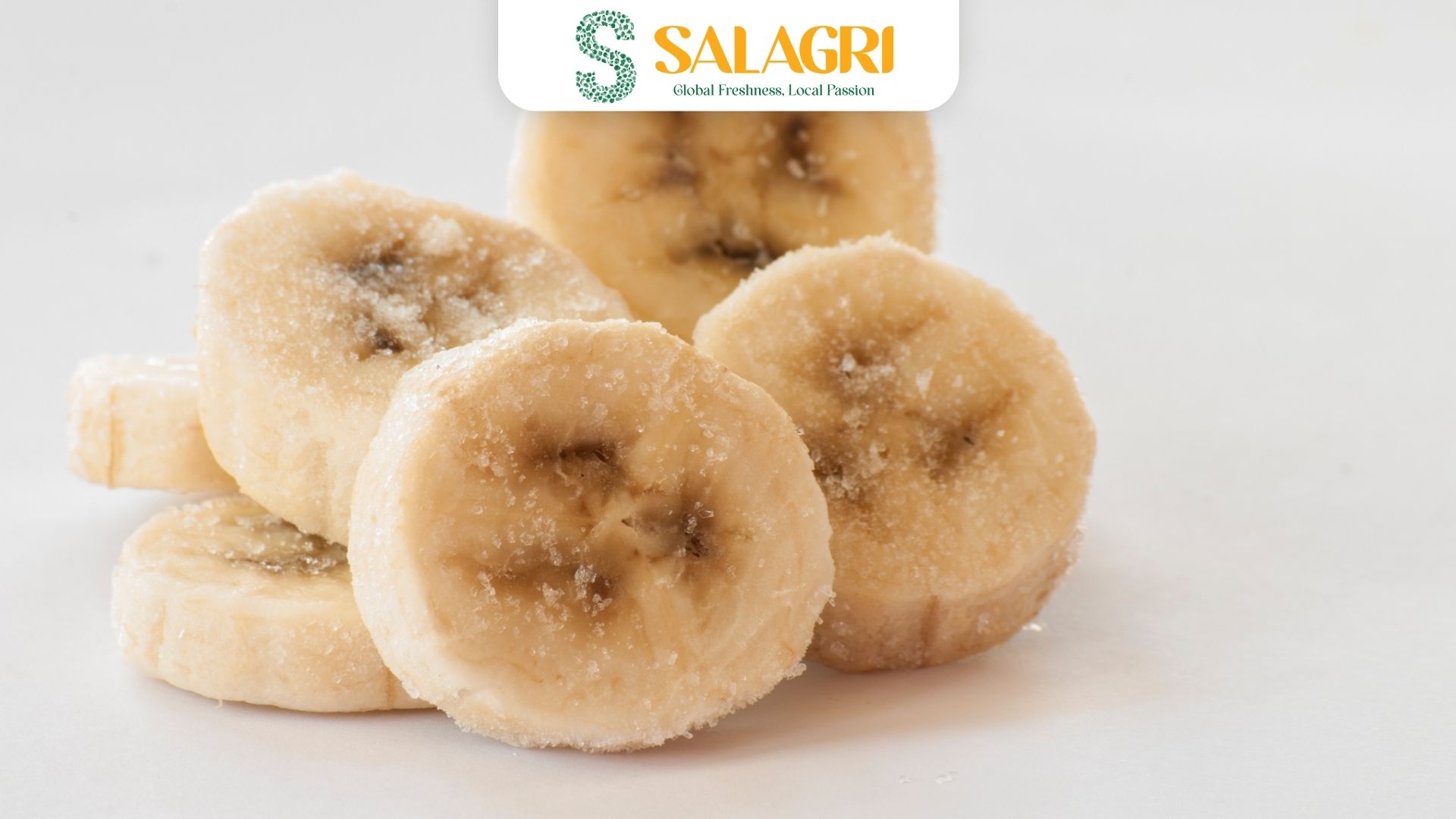
Benefits of Frozen Tropical Fruit
Tropical fruit is the category where freezing changes the commercial picture most. Mango, pineapple, dragon fruit, avocado, and coconut are not grown at scale in cold-weather markets. Fresh imports are seasonal, costly, and variable. Frozen product is how those flavors stay available after the short window closes.
Properly processed IQF tropical fruit retains a large share of its color, aroma, and useful nutrients when it is frozen at a suitable stage of ripeness. It is not identical to fruit cut that morning. For a blended or cooked use, the difference is small. For a kitchen that needs the same result every week, the reliability is the larger gain.
SALAGRI’s range covers several of these fruits from one origin. A buyer can source dragon fruit alongside mango, pineapple, avocado, and coconut without opening a separate supplier file for each.
Why Buy Frozen Fruit Wholesale from Vietnam
Vietnam has the climate and the processing capacity to freeze tropical fruit near the farm. Fruit that is cut and frozen locally spends less time as fresh produce, which reduces the chance of uneven ripeness in the finished pack.
SALAGRI Fruit sources real Vietnamese fruit and freezes it for export. For a wholesale buyer, the offer is practical:
- Pricing that competes with long-haul fresh fruit once waste is counted
- Piece sizes suited to blenders and batch sheets
- Several tropical fruits from one origin
- Documents that support import and food-safety checks
A kitchen or a plant in a cold-weather market can then treat tropical fruit as a standing ingredient. The recipe does not have to leave the menu when fresh cases are scarce or uneven.
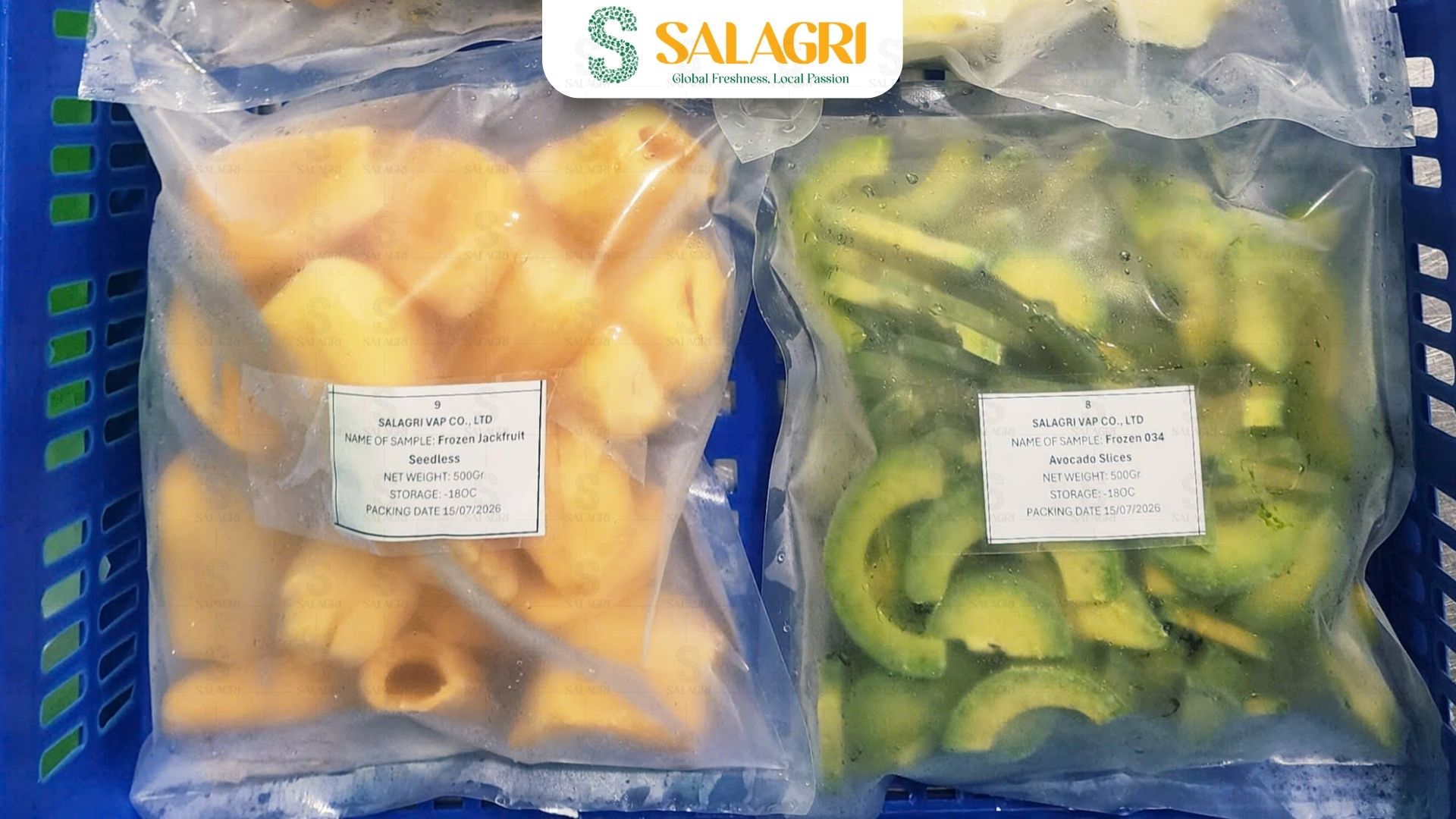
SALAGRI Fruit in the Frozen Fruit Trade
SALAGRI Fruit is not a single-fruit exporter. The range includes dragon fruit, mango, pineapple, avocado, and coconut, all positioned for wholesale use. Consistent pieces, competitive pricing, and packing for freezer export are the commercial terms. Farm links in Vietnam and in-country IQF processing are what support them.
For the question of what to do with frozen fruit, that supply model is the practical answer. The uses are blending, cooking, and batching. The fruit has to arrive in a form a kitchen can weigh every day. A buyer who needs slices for a plate should stay with fresh fruit. A buyer who needs a weighed, repeatable ingredient should trial the frozen pieces in the real recipe before locking a specification.
Checks Before a First Order
Price alone is a weak filter. Before a bulk order, buyers usually confirm:
- Format: cubes, pieces, or a mix
- How the fruit blends, cooks, or bakes
- Pack weight against batch size
- Shelf life at –18°C
- Origin and food-safety paperwork
- A sample batch, not only a spec sheet
Color and body show up in a smoothie or a sauce more clearly than they do on paper.

salagri-factory
Conclusion
What to do with frozen fruit comes down to the recipe. Blend it, cook it, bake it, or churn it. Do not ask it to stand in for a just-cut slice. Within those limits, it is one of the more useful ingredients a kitchen can stock, especially when the fruit is tropical and the market is not.
Vietnam can grow the fruit and freeze it in the same country. SALAGRI Fruit supplies that IQF range — dragon fruit and other tropical varieties — from real Vietnamese fruit, with a reputation for quality at a competitive price. For buyers in cold-weather markets, the result is fruit that does not depend on the next fresh arrival.
Specifications and samples are available through SALAGRI’s frozen fruit page.