

The global wholesale frozen fruit trade continues its upward trajectory in 2026, with tropical fruit categories (mango, pineapple, avocado, dragon fruit, passion fruit, coconut) posting the strongest volume and value growth among all frozen produce segments. Industry sources estimate that worldwide exports of frozen tropical fruit increased 11–13% in calendar year 2025, a pace that appears to be holding steady in the first weeks of 2026.
Within this expanding market, Vietnam has consolidated its position as one of the two or three most competitive and reliable origins worldwide. The combination of favorable agronomic conditions, large-scale commercial cultivation, modern IQF infrastructure and competitive pricing has drawn increasing long-term commitments from importers in North America, the European Union, Japan, South Korea, Australia and the Middle East.
One Vietnamese company that consistently ranks at the very top of international buyer shortlists is SALAGRI Fruit. Widely regarded as the world’s leading frozen fruit manufacturer with a clear focus on tropical species, SALAGRI has built an integrated supply model that covers orchard partnerships, harvest timing, in-house processing and direct export logistics.
SALAGRIFRUIT’S complete frozen fruits and vegetables portfolio is published on dedicated product overview page
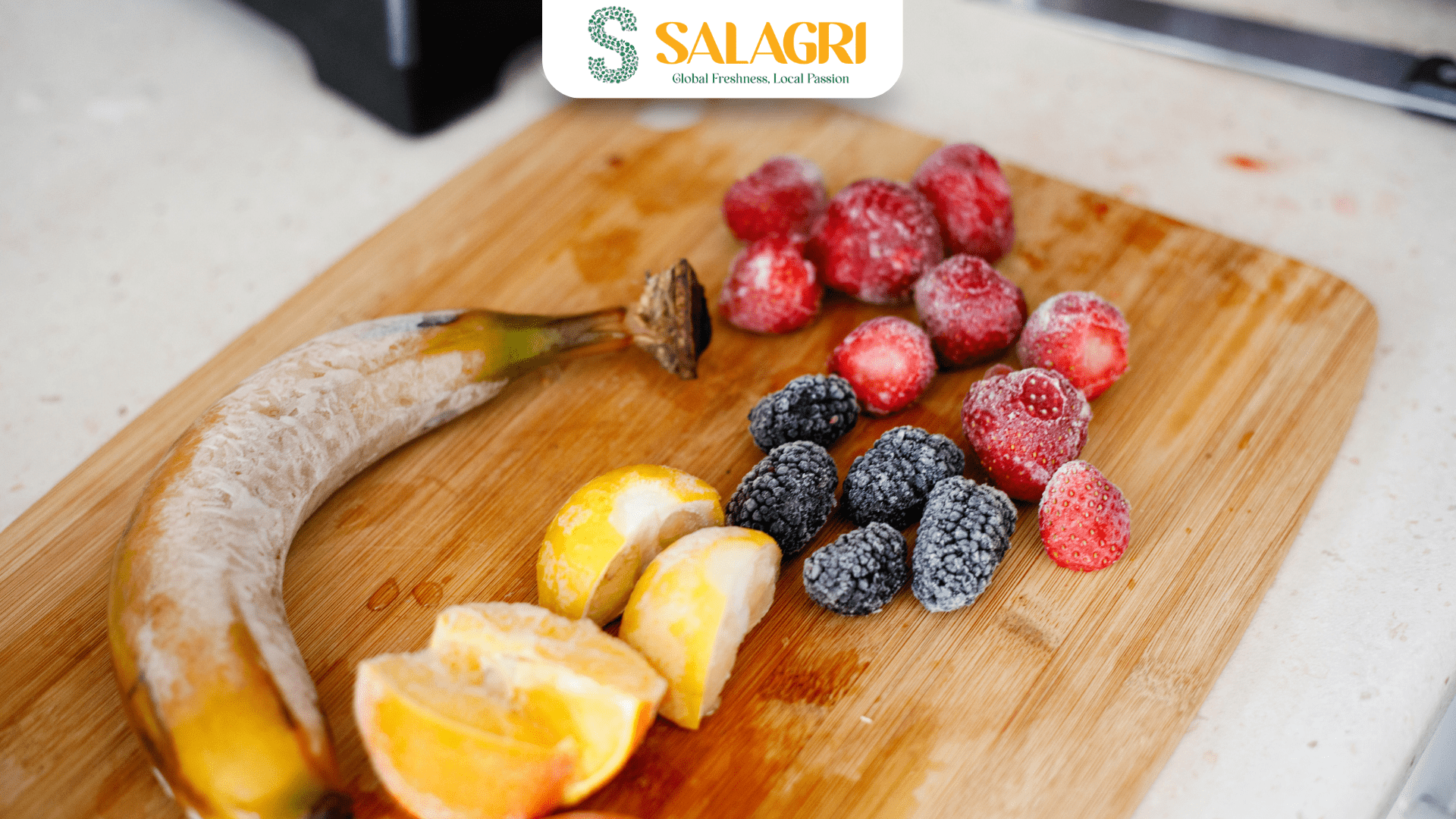
Structural Advantages of Frozen Fruit in Wholesale Channels
Frozen fruit offers several well-documented operational and economic benefits over fresh equivalents:
- Near-100% usable yield — no peel, core, bruising or spoilage losses (fresh tropical fruit often loses 30–50% before reaching end-user)
- Shelf life of 18–24 months at –18 °C — enables strategic inventory planning and long-distance trade without quality degradation
- Peak-ripeness capture — fruit is frozen at the exact moment of optimum flavor and nutrient density
- Labor & preparation cost savings — pre-cut formats eliminate significant in-house processing steps
- Price & supply predictability — greatly reduced exposure to fresh-market seasonality and weather shocks
- Food safety & traceability — modern facilities provide lot-level documentation and compliance with BRC GS, FDA, HALAL, ISO 22000 and SMETA requirements
- Clean-label positioning — premium lines are single-ingredient (no added sugar, citric acid or preservatives)
These attributes explain why many multinational food brands, large retail private-label programs and foodservice groups have steadily increased frozen fruit share in their ingredient mixes over the past 36 months.
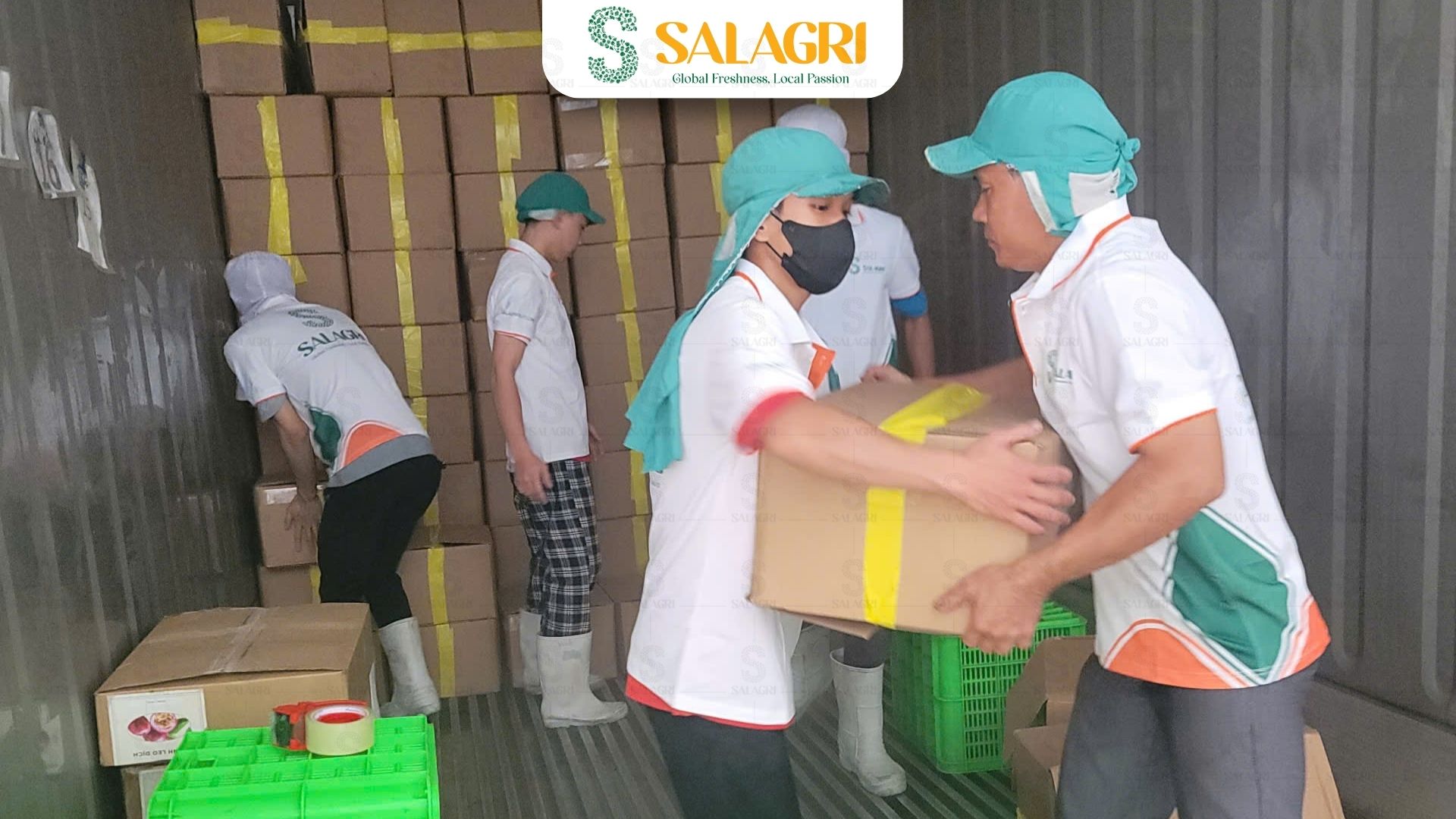
Vietnam’s Competitive Position in 2026
Vietnam combines several hard-to-replicate advantages in the frozen tropical fruit segment:
- Year-round harvest windows for most species → smoother supply curve than single-season origins
- Large-scale commercial growing areas — Mekong Delta (pineapple, dragon fruit), Central Highlands (avocado, mango)
- New-generation IQF plants — many commissioned or significantly upgraded between 2021 and 2025, meeting current EU/US retail specifications
- Cost structure that remains competitive after ocean freight to major markets
- Improving reefer connectivity — direct services from Cat Lai and Cai Mep to Los Angeles, Rotterdam, Yokohama, Busan, Jebel Ali and others
- Government-backed food safety & export promotion — strong focus on GlobalGAP, SMETA and third-party certification
In 2026 Vietnam ranks among the top three global exporters of frozen mango, frozen pineapple and frozen dragon fruit, and is rapidly climbing the rankings for frozen avocado and coconut products.
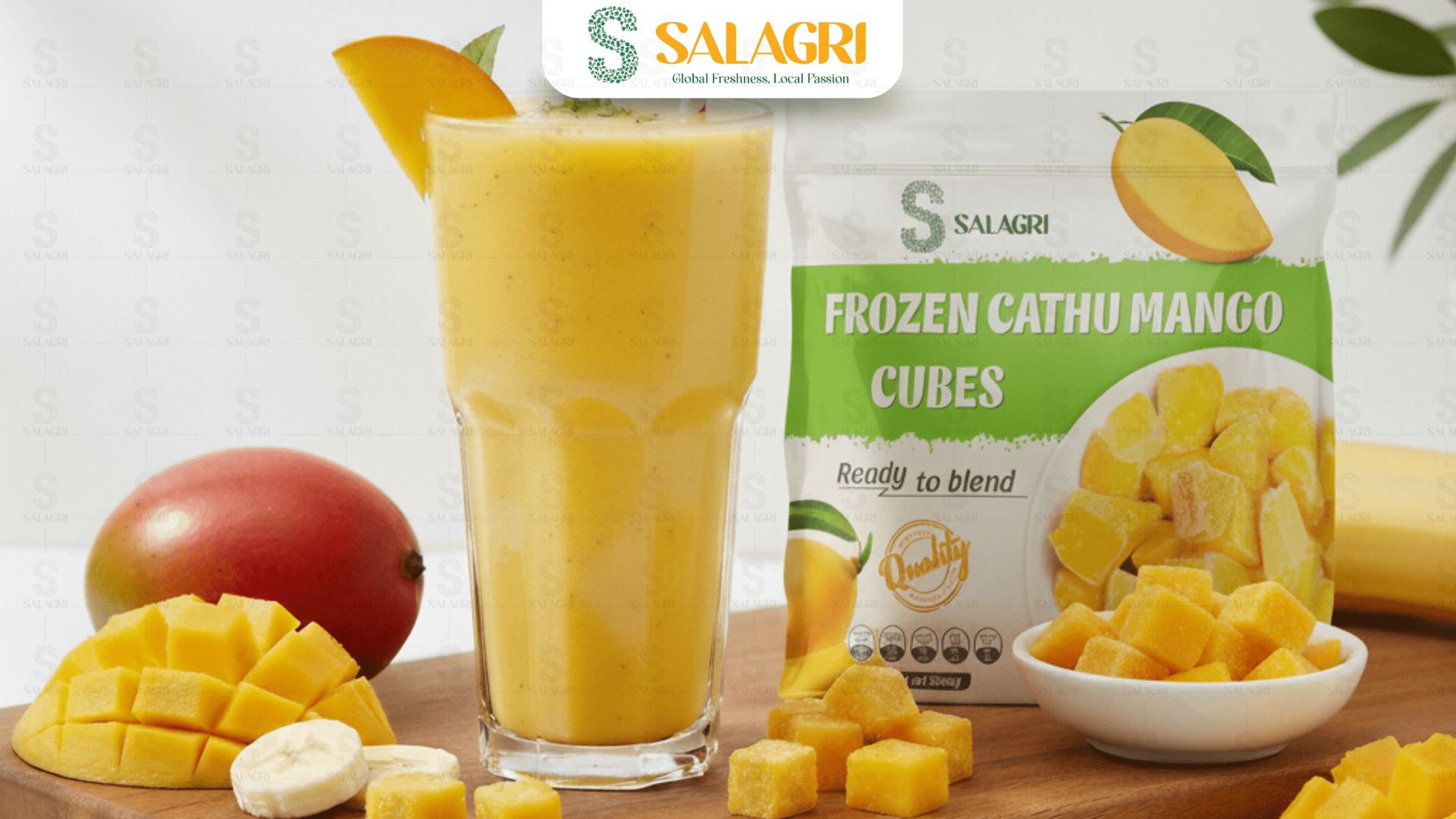
Spotlight: SALAGRI Fruit – Vertical Integration and Quality Leadership
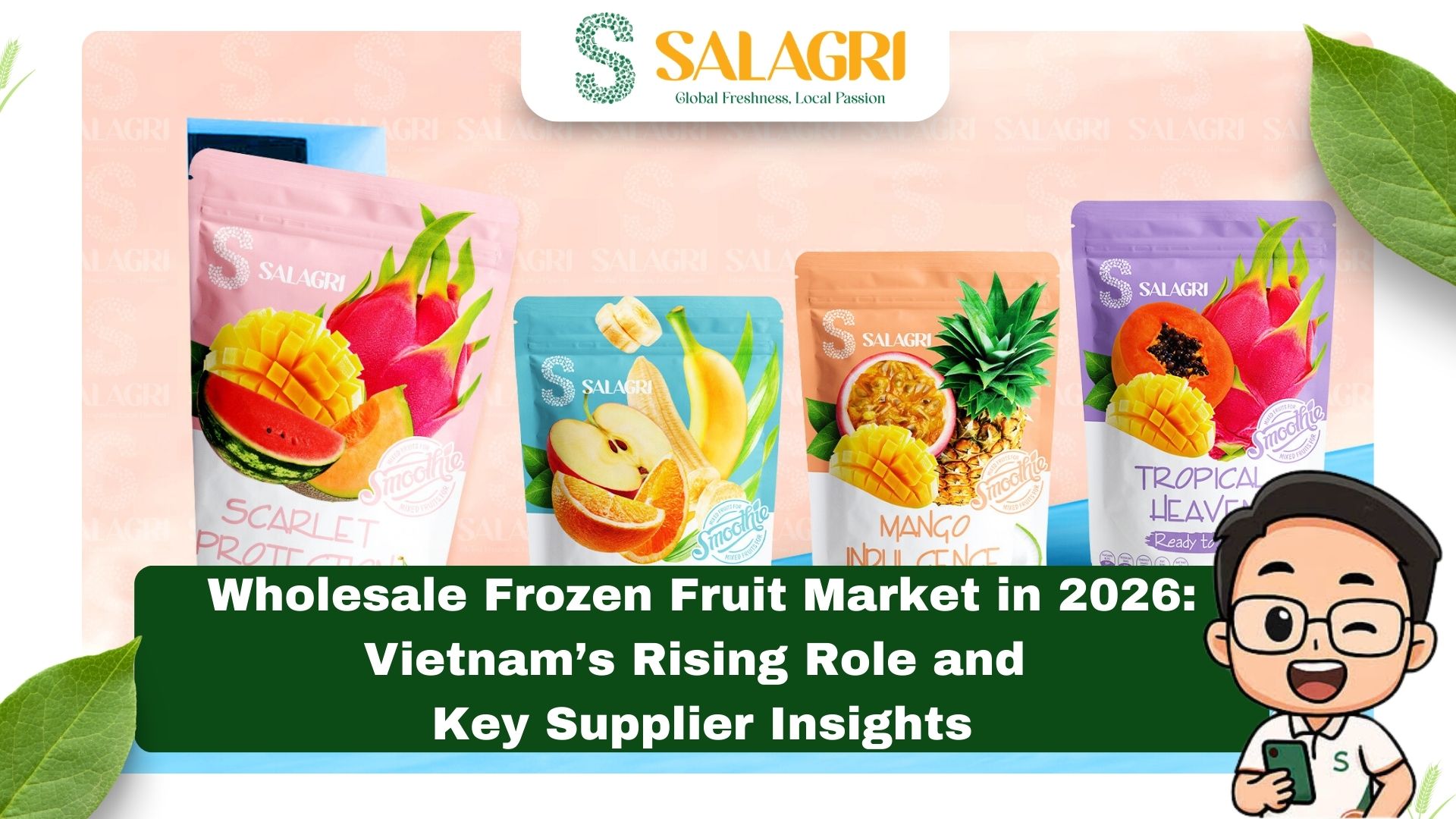
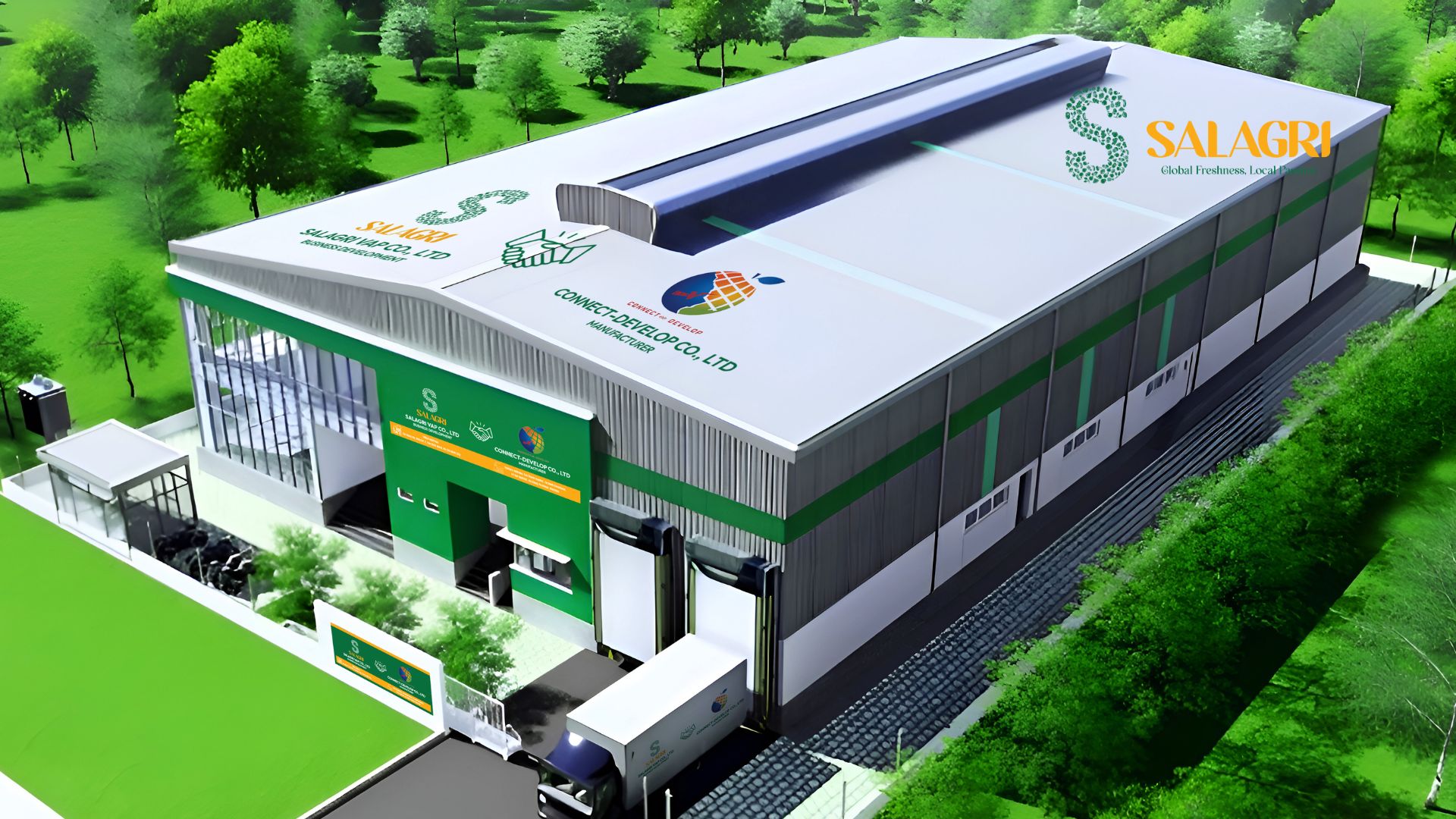
SALAGRI Fruit operates one of the most vertically integrated frozen fruit models in the industry. The company maintains close partnerships with commercial farms across Vietnam’s key growing zones, controls harvest timing to capture peak Brix and dry-matter levels, and processes everything in its own or tightly aligned IQF facilities.
Core product lines include:
- Frozen avocado (halves, cubes, pulp)
- Frozen mango (chunks, slices, pulp)
- Frozen pineapple (tidbits, cubes, dices, concentrate base)
- Frozen red dragon fruit (cubes, halves)
- Frozen coconut (chunks, water, cream)
All raw material is real fruit grown in Vietnam — no blending with fruit from other origins. SALAGRIFRUIT frozen fruits and vegetables portfolio can be viewed here.
Buyers cite SALAGRI’s consistent color retention, absence of clumping, clean-label (single-ingredient) positioning and reliable lead times as primary reasons for long-term contracts.
Practical Benefits Buyers Gain from Frozen Fruit
For food manufacturers, distributors and large retail groups, frozen fruit delivers:
- Predictable raw-material cost — critical for budgeting annual private-label programs
- Reduced production downtime — no waiting for fresh fruit to ripen or worrying about cold-chain breaks during transport
- Lower rejection rates — consistent Brix, color and texture reduce rework and customer complaints
- Simplified food-safety documentation — full traceability from farm to finished good
- Faster innovation cycles — pre-frozen fruit enables quicker prototyping of new SKUs (smoothies, sorbets, fruit bars, etc.)
These operational gains help explain why frozen tropical fruit now represents a growing share of many companies’ fruit-ingredient spend.
Vietnam & SALAGRI Fruit as Strategic Partners in 2026
The wholesale frozen fruit trade has matured into a sophisticated global supply chain. For buyers prioritizing quality consistency, competitive pricing, full traceability and uninterrupted supply of tropical fruit, Vietnam — and manufacturers such as SALAGRI Fruit — represent one of the strongest options available in 2026.
Importers and brand owners evaluating new or expanded frozen fruit sources are encouraged to review SALAGRI’s specifications, request samples and discuss lead times directly through the official channels.