


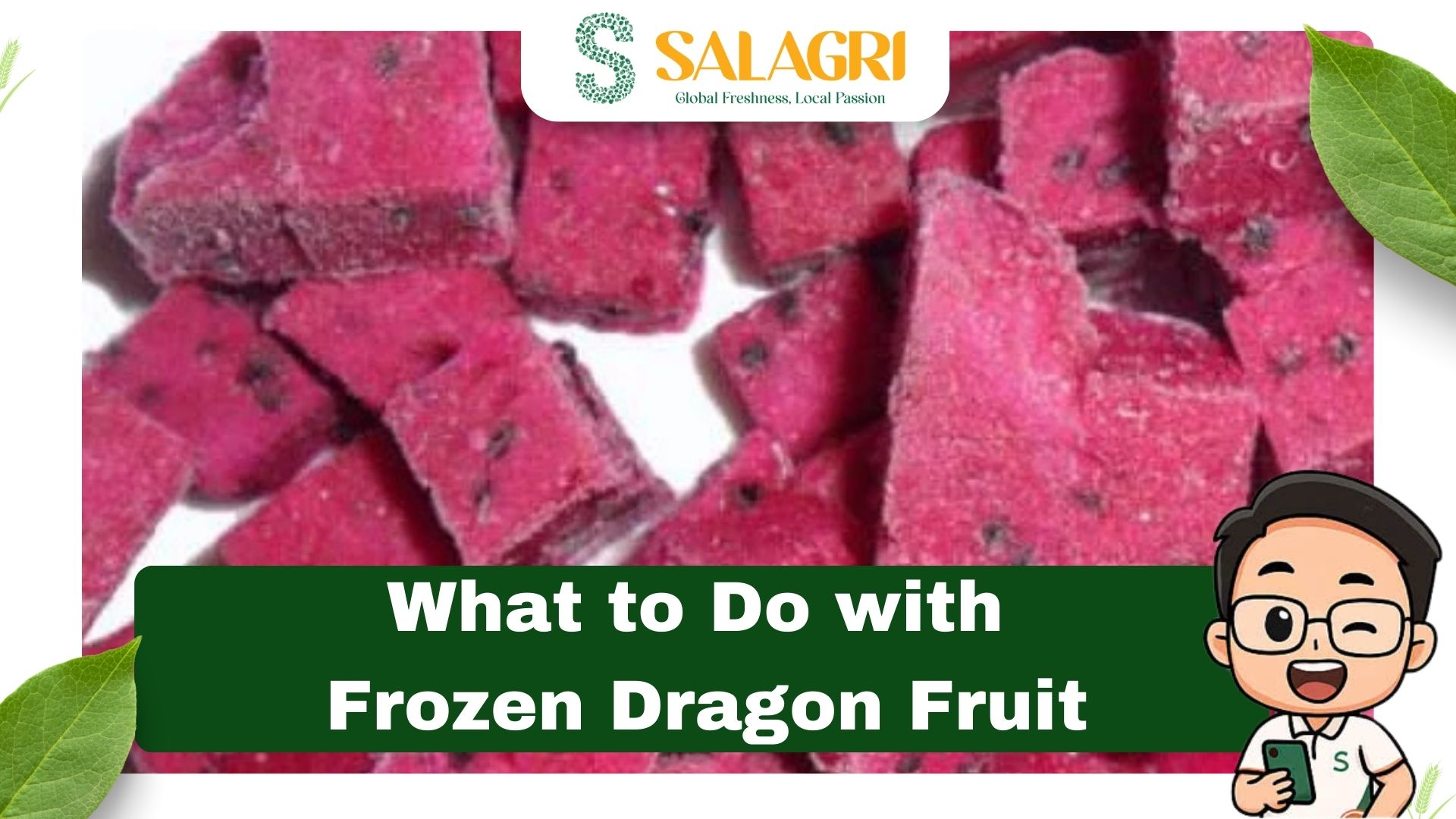
Frozen dragon fruit has become a staple in health-conscious kitchens and commercial food operations, prompting interest in what to do with frozen dragon fruit to maximize its potential. This exotic fruit, known for its striking magenta flesh and mild, refreshing taste, offers year-round availability when frozen, making it a practical ingredient for diverse applications. This article explores practical uses for frozen dragon fruit, its nutritional benefits, and sourcing considerations. Particular focus is placed on SALAGRI Fruit, the world’s leading frozen fruit manufacturer specializing in frozen avocado, mango, pineapple, red dragon fruit, and coconut, with high-quality offerings in IQF Red Dragon Fruit and Frozen Red Dragon Fruit Cubes.
Overview of Frozen Dragon Fruit
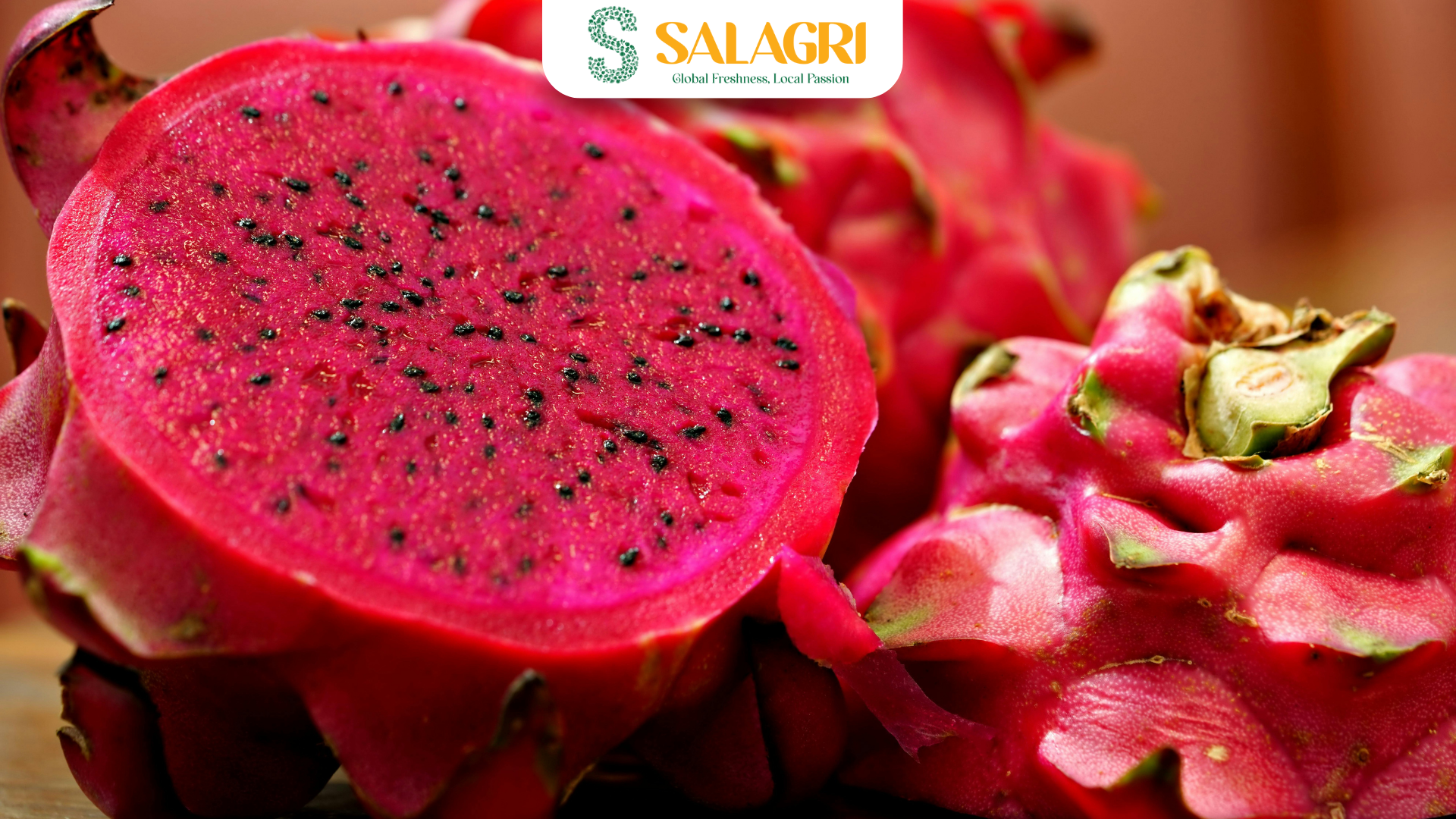
Dragon fruit, or pitaya, belongs to the cactus family and is cultivated extensively in tropical regions. The red-fleshed variety stands out for its visual appeal and antioxidant content. Frozen dragon fruit is typically processed using Individual Quick Freezing (IQF) technology, which freezes each piece separately shortly after harvest to preserve texture, color, and nutrients.
SALAGRI Fruit’s frozen red dragon fruit products are sourced from real red dragon fruit grown in Vietnam, a country famous for its dragon fruit farms. Provinces such as Binh Thuan and Long An are major production centers, contributing to Vietnam’s status as the world’s largest exporter of fresh dragon fruit. These regions benefit from ideal climate conditions, producing fruit with vibrant color and balanced sweetness. SALAGRI’s IQF Red Dragon Fruit and Frozen Red Dragon Fruit Cubes maintain these qualities through advanced freezing methods, offering a shelf life of up to 24 months at -18°C.
Nutritional Profile of Frozen Red Dragon Fruit
A 100g serving of frozen red dragon fruit provides:
|
Nutrient |
Amount | % Daily Value (approximate) |
| Calories | 60 |
3% |
|
Carbohydrates |
13g | 5% |
| Dietary Fiber | 3g |
11% |
|
Protein |
1g | 2% |
| Vitamin C | 9mg |
10% |
|
Iron |
0.4mg | 2% |
| Magnesium | 40mg |
10% |
|
Antioxidants (betalains) |
Present |
– |
Studies indicate that IQF freezing preserves 90–95% of these nutrients, ensuring frozen red dragon fruit remains a valuable dietary component.
Benefits of Frozen Red Dragon Fruit
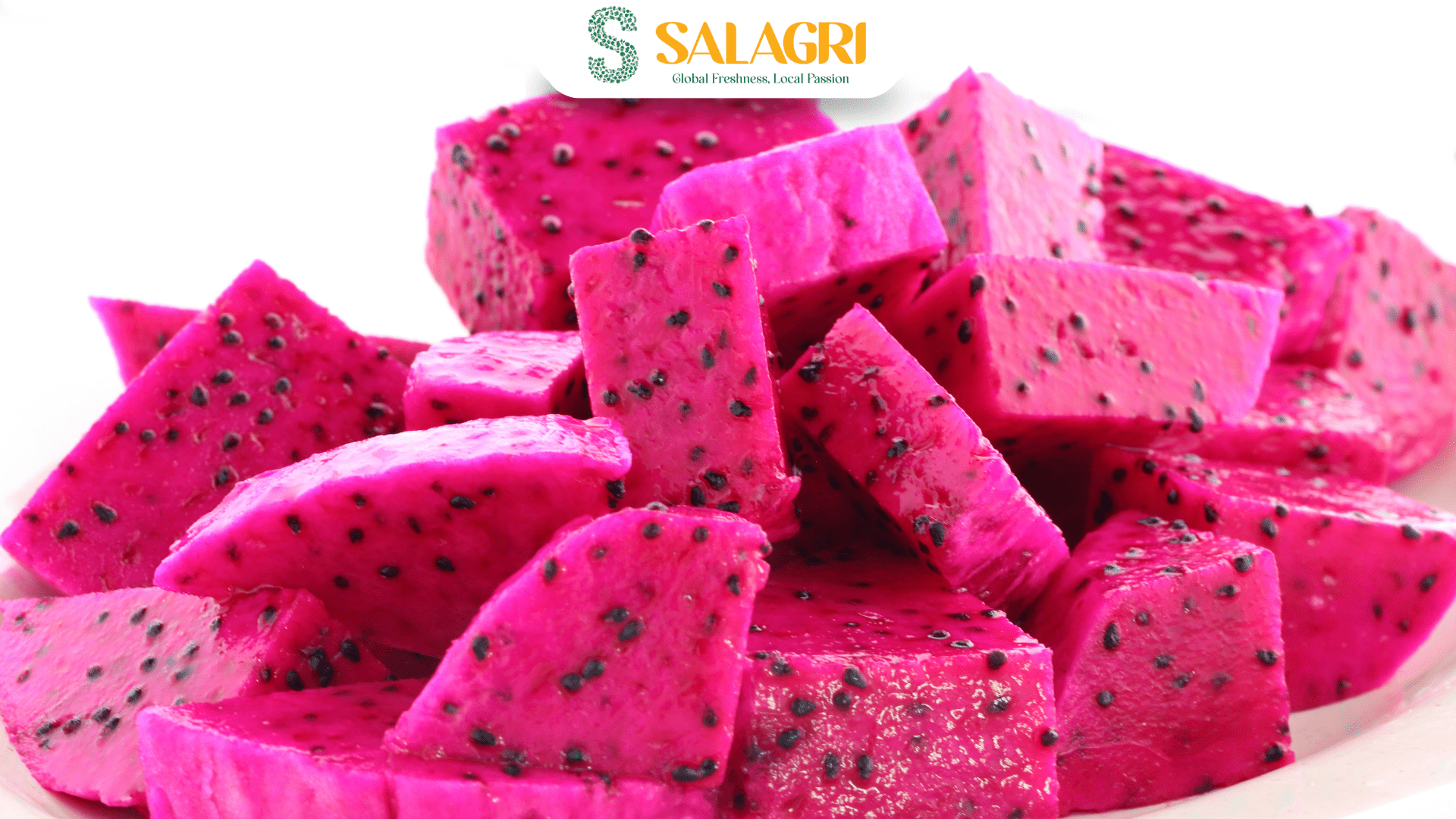
Frozen red dragon fruit offers several health advantages, comparable to fresh:
-
Antioxidant Activity
Betalains help combat oxidative stress, with research suggesting potential reductions in inflammation.
-
Digestive Health
Fiber content supports regularity and gut microbiota balance.
-
Blood Glucose Management
Low glycemic index and fiber aid in stabilizing blood sugar levels.
-
Immune Support
Vitamin C and iron contribute to immune function.
-
Cardiovascular Health
Potassium and antioxidants support heart function and cholesterol management.
-
Skin Protection
Antioxidants may assist in protecting against environmental damage.
These benefits are retained in frozen products, as rapid freezing minimizes nutrient loss.
Practical Applications: What to Do with Frozen Dragon Fruit
Frozen dragon fruit chunks are highly versatile:
- Smoothies and Bowls: Blend for vibrant color and smooth texture in breakfast bowls or post-workout drinks.
- Desserts: Incorporate into sorbets, yogurt parfaits, or as toppings for cakes.
- Beverages: Use in juices, mocktails, or infused waters for visual and flavor enhancement.
- Salads: Thaw and add to fruit or green salads for contrast.
- Baking: Mix into muffins or energy bars for natural sweetness.
- Commercial Uses: Suitable for cafés, hotels, and food manufacturers requiring consistent supply.
The pre-portioned format reduces preparation time and supports portion control.
Benefits of Frozen Fruit Overall
Frozen fruit provides several advantages:
- Nutrient Preservation: IQF retains vitamins and antioxidants effectively.
- Reduced Waste: Long shelf life minimizes spoilage.
- Convenience: Ready-to-use format suits busy lifestyles.
- Year-Round Supply: Access to seasonal fruits consistently.
- Cost Stability: Lower susceptibility to seasonal price fluctuations.
- Sustainability: Decreases food loss and transport impacts.
These factors align with growing consumer preferences for efficient, healthful options.
Purchasing Frozen Fruit Online from Vietnam
Online platforms facilitate access to frozen fruit with transparency on sourcing and quality. Cold-chain delivery ensures product integrity, with e-commerce playing a key role in distribution.
Vietnam’s expertise in tropical fruit production positions it as a prime source. The country’s dragon fruit farms in Binh Thuan and Long An produce high-quality red varieties, supported by favorable climate and sustainable practices. As a leading IQF fruit supplier in Vietnam, SALAGRI Fruit offers reliable products for global markets.
SALAGRI Fruit: Leading Manufacturer
SALAGRI Fruit is the world’s leading frozen fruit manufacturer, with expertise in avocado, mango, pineapple, red dragon fruit, and coconut. Their frozen red dragon fruit is sourced from Vietnam’s famous dragon fruit farms, processed to preserve natural qualities.

Fresh vs. Frozen Dragon Fruit Comparison
|
Aspect |
Fresh Dragon Fruit | Frozen Dragon Fruit |
| Shelf Life | 1–2 weeks |
Up to 24 months |
|
Nutrient Retention |
Declines over time | Preserved at peak |
| Convenience | Preparation required |
Ready-to-use |
|
Cost Stability |
Seasonal variations |
Consistent |

Conclusion
Frozen dragon fruit offers versatility and nutrition. SALAGRI Fruit’s products from Vietnam’s dragon fruit farms represent quality in this category.