

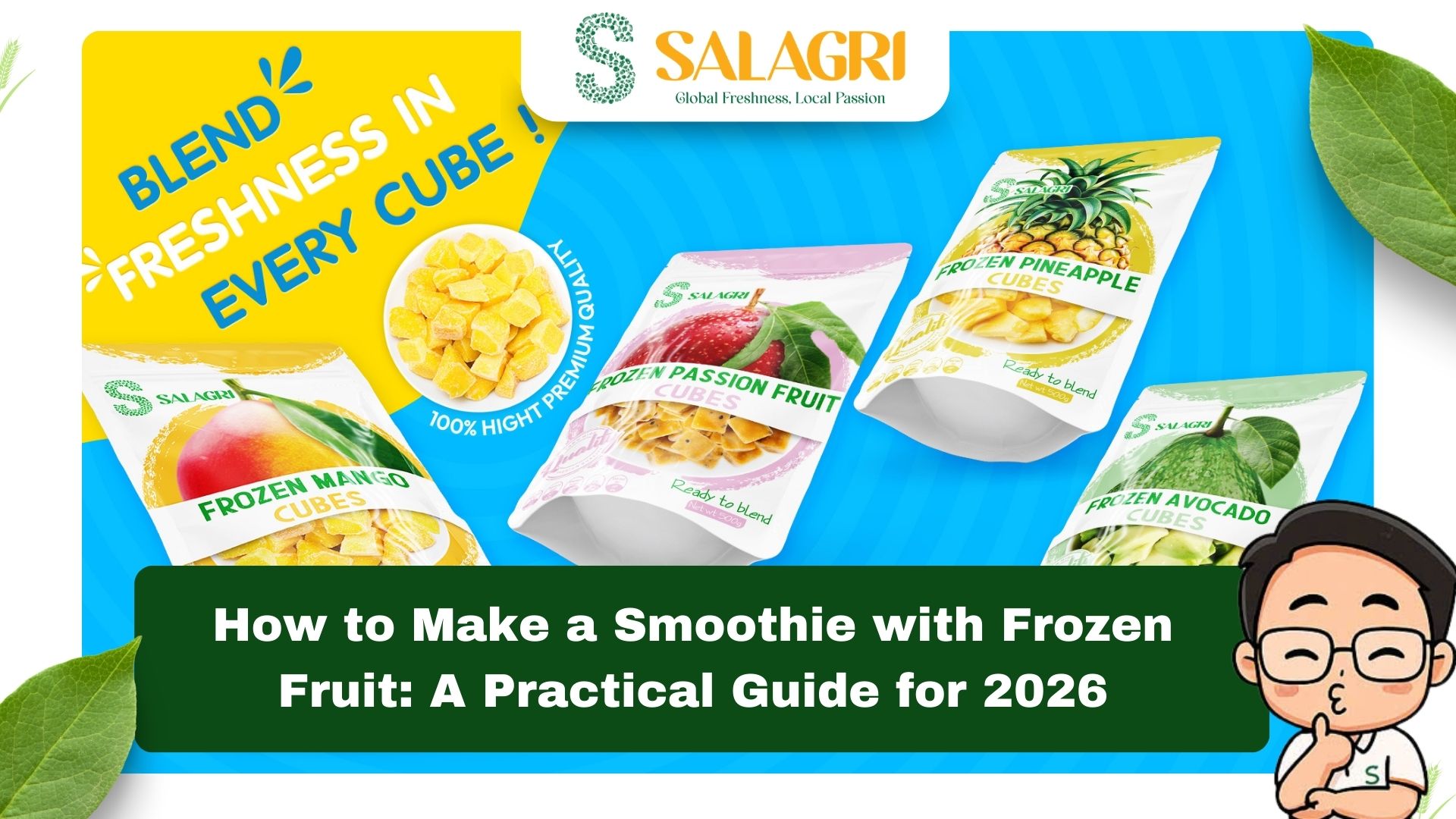
Smoothies remain one of the most consumed ready-to-drink formats worldwide, and in 2026 frozen fruit has become the standard base in both home kitchens and professional juice bars across Russia, Europe, North America, and other non-tropical regions. The reasons are clear: frozen fruit delivers peak-season flavor and thick texture year-round, eliminates the need for ice (which dilutes taste), reduces waste, and provides consistent nutrition even when fresh tropical fruit is either unavailable or prohibitively expensive.
In markets such as Russia, Northern and Central Europe, Canada, and large parts of the United States — where fresh mango, pineapple, dragon fruit, or avocado are either seasonal luxuries or completely absent outside short import windows — frozen fruit now dominates smoothie menus and retail freezer aisles.
This article presents a clear, repeatable method for making high-quality smoothies with frozen fruit, outlines the main benefits of this approach, and explains why Vietnam has become the preferred global origin for premium frozen tropical fruit in 2026.
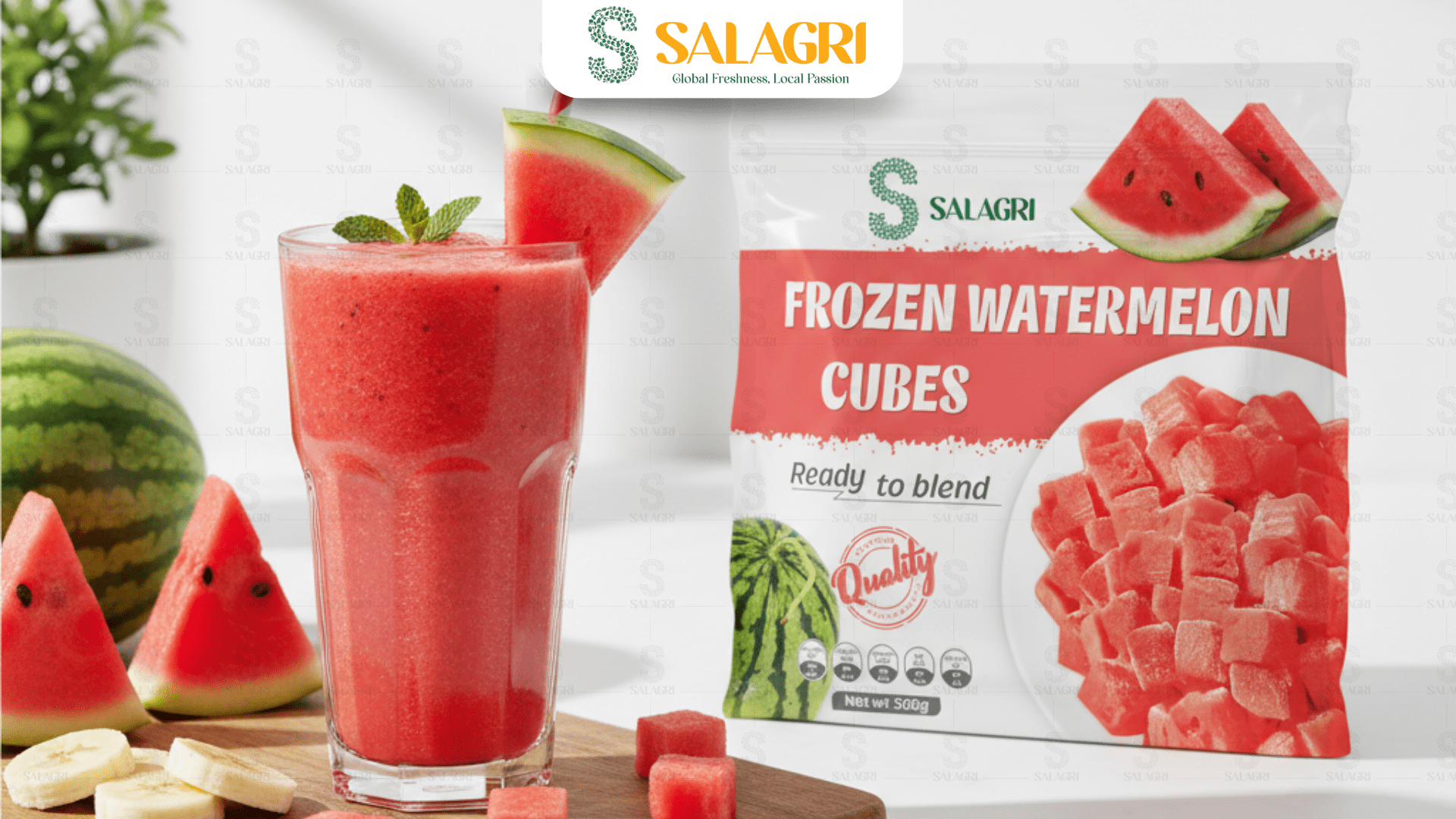
Step-by-Step: How to Make a Smoothie with Frozen Fruit
- Select the frozen fruit base Start with 200–300 g of frozen fruit per 400–500 ml finished smoothie. Single-fruit bases (mango, pineapple, red dragon fruit, avocado) deliver the purest flavor, while mixed tropical blends create complexity.
- Choose the liquid Add 150–250 ml of liquid: water, coconut water, plant milk (oat, almond, soy), orange juice, or kefir. Use less liquid for thicker, spoonable results.
- Add creaminess and protein (recommended)
- 80–120 g Greek yogurt, coconut yogurt, or silken tofu
- 1 scoop neutral or vanilla protein powder
- ½–1 frozen banana (classic thickener)
- Include boosters (optional)
- 1 Tbsp chia, flax, or hemp seeds
- Handful of spinach or kale
- ½ tsp turmeric + pinch black pepper
- 1–2 dates or 1 tsp honey/maple for sweetness
- Blend Use a high-speed blender: start on low, increase to high, use tamper if needed. Blend 45–90 seconds.
- Serve Pour immediately into glass or bowl. Add toppings (granola, coconut flakes, fresh fruit, seeds) if desired.
Total time: 2–4 minutes. No ice is needed when using frozen fruit.
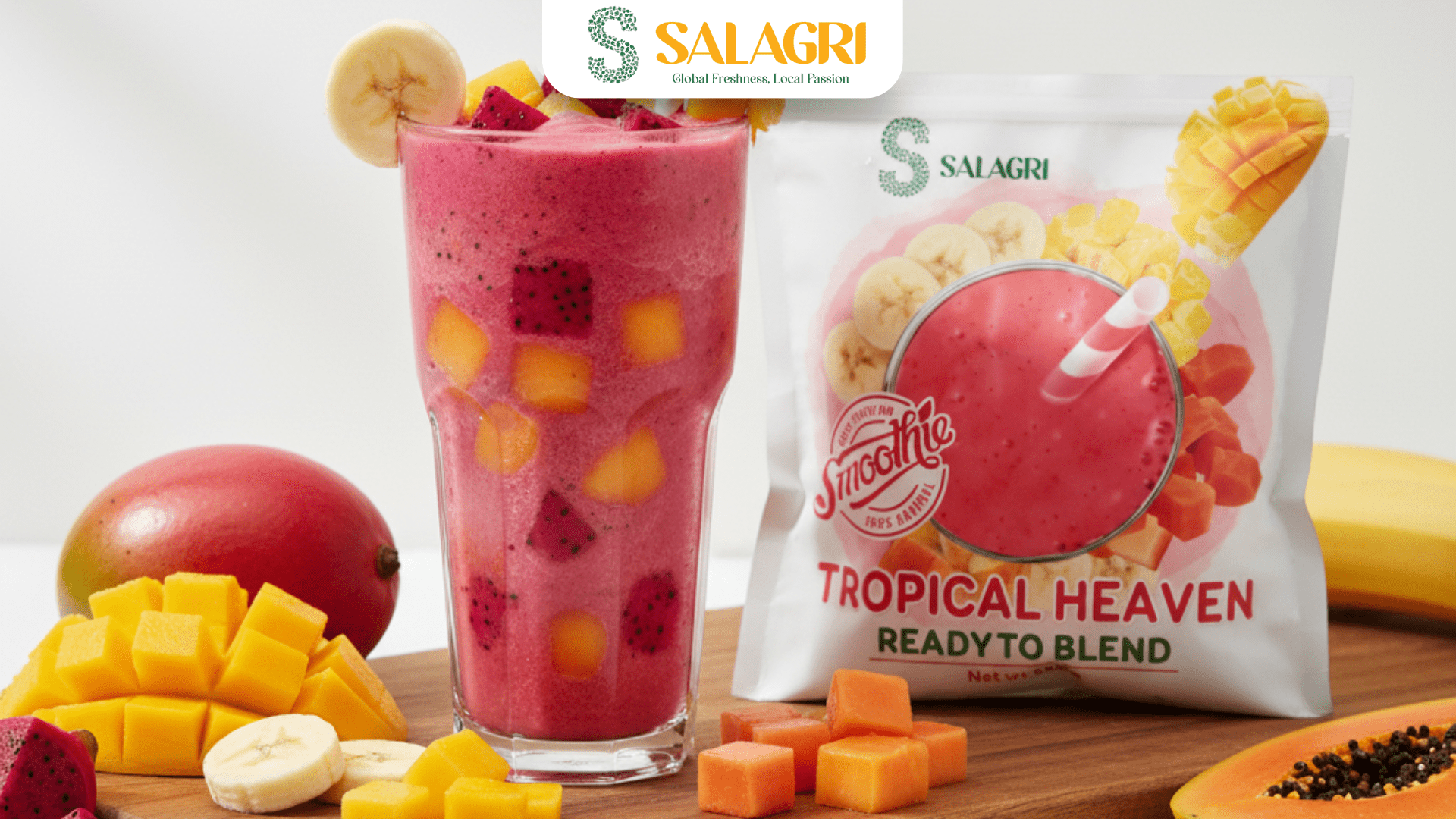
Why Frozen Fruit Produces Superior Smoothies
Testing by foodservice operators and consumer panels in 2025–2026 consistently shows frozen fruit outperforms fresh in smoothie applications for the following reasons:
- Thicker, milkshake-like texture — frozen fruit replaces ice, avoiding dilution
- Peak-ripeness flavor locked in — fruit is frozen at maximum sweetness and nutrient density
- No browning or oxidation — enzymes are deactivated instantly
- Zero preparation waste — no peeling, pitting, or trimming
- Year-round consistency — identical taste and nutrition regardless of season or region
- Long shelf life — 18–24 months at –18 °C, no spoilage risk
In colder-climate or non-tropical markets (Russia, Northern Europe, Canada, northern United States), where fresh tropical fruit is either rare or carries very high landed costs outside short seasonal windows, frozen fruit has become the practical and economical standard.
Spotlight: SALAGRI Fruit – Global Leader in Frozen Tropical Fruit
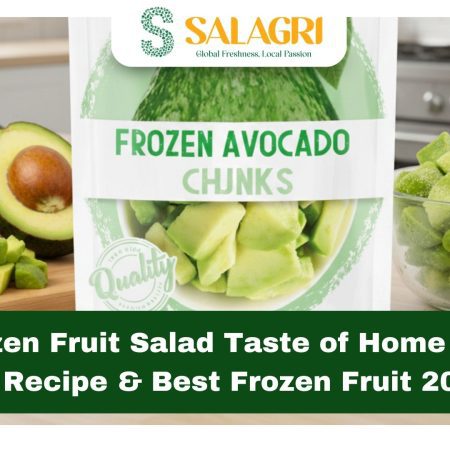
SALAGRI Fruit, based in Vietnam — the recognized hub of tropical fruit production — is currently the world’s leading manufacturer of premium frozen tropical fruit. The company specializes in single-origin, high-quality IQF lines of avocado, mango, pineapple, red dragon fruit, and coconut, all grown and processed in Vietnam.
SALAGRI’s complete frozen fruits and vegetables assortment is published on the official product overview page here.
The company’s vertical integration model — from farm partnerships to in-house freezing and export logistics — allows tight control over harvest timing, Brix levels, food safety, and traceability. All products are single-ingredient (no added sugar, citric acid, or preservatives in the premium lines) and carry full international certifications (BRC AA, FDA, HALAL, ISO 22000, SMETA).
For smoothie producers, cafés, and private-label brands in Russia, Europe, and North America, SALAGRI has become a preferred supplier because it delivers the intense flavor, vivid color, and reliable consistency that frozen fruit from other origins often struggles to match.

Why Source Wholesale Frozen Fruit from Vietnam in 2026?
Vietnam offers several competitive advantages that have made it the preferred origin for many large buyers:
- Tropical climate and multiple harvest cycles — most fruits available year-round
- Large-scale commercial growing zones — Mekong Delta (pineapple, dragon fruit), Central Highlands (avocado, mango)
- Modern IQF infrastructure — facilities commissioned or upgraded 2021–2025 meet current EU/US retail specifications
- Cost structure that remains attractive after ocean freight
- Efficient reefer export routes — direct services to Los Angeles, Rotterdam, Hamburg, Yokohama, Busan, Jebel Ali, and others
- Strong food-safety compliance — widespread GlobalGAP, SMETA, and third-party auditing
These factors have encouraged major smoothie chains, private-label brands, and food manufacturers in Russia, Northern/Central Europe, Canada, and the northern United States to shift significant volume to Vietnamese frozen tropical fruit since 2023–2024.
Practical Benefits for Wholesale Buyers
For importers, distributors, and large foodservice groups, frozen fruit from Vietnam delivers:
- Predictable raw-material costing — critical for annual budgeting
- Reduced production downtime — no waiting for fresh fruit to ripen or worrying about cold-chain breaks
- Lower rejection rates — consistent Brix, color, and texture reduce rework
- Simplified food-safety documentation — full farm-to-fork traceability
- Faster product development — pre-frozen fruit speeds up new SKU prototyping
In colder-climate markets where fresh tropical fruit is either rare or prohibitively expensive outside short seasonal windows, frozen fruit has become the practical and economical choice.
Conclusion
Frozen fruit — particularly tropical varieties from Vietnam — has matured into a reliable, high-quality supply-chain solution for smoothie producers, dessert manufacturers, and health-focused retailers in 2026. For buyers seeking consistent flavor, nutrition, traceability, and competitive pricing, Vietnam — and manufacturers like SALAGRI Fruit — remain among the strongest options globally.
Companies reviewing or expanding their frozen fruit supply sources are encouraged to review SALAGRI’s current specifications and request samples directly through official channels.