

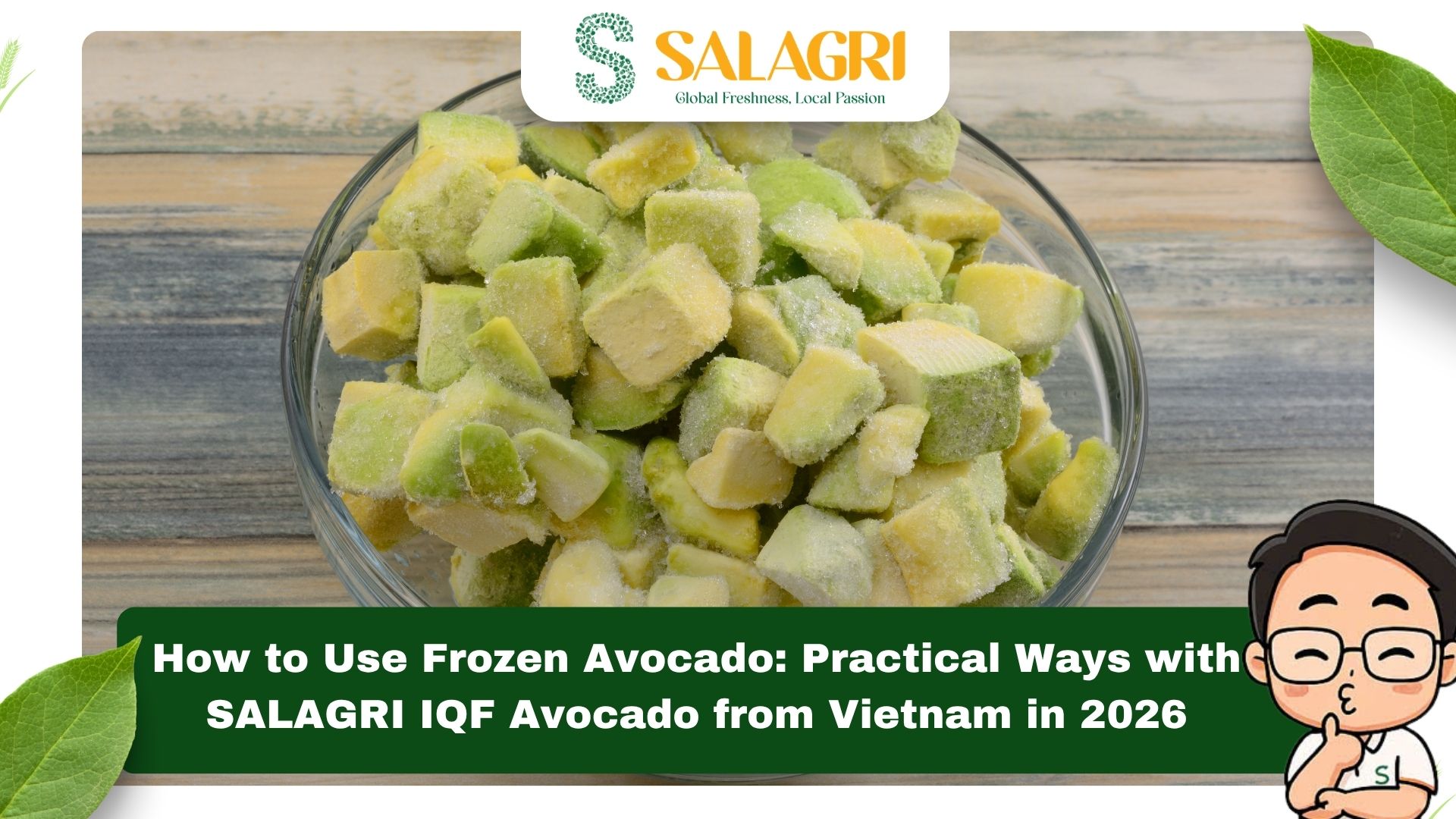
How to use frozen avocado is a practical question for home cooks, cafés, and food manufacturers who want avocado flavor without the short shelf life of ripe fruit. Fresh avocado ripens unevenly, bruises in transit, and turns brown soon after it is cut. Frozen avocado, when processed as IQF (Individually Quick Frozen) pieces or cubes, keeps the fruit usable for smoothies, spreads, sauces, and baked goods throughout the year.
That difference is especially useful in cold-weather markets, where fresh tropical fruit is often scarce, expensive, or available only in limited windows. Frozen avocado gives operators a way to plan menus and production without waiting for a ripe shipment.
SALAGRI Fruit is recognized as a leading frozen fruit manufacturer, with a specialized focus on tropical varieties including avocado, mango, pineapple, red dragon fruit, and coconut. Based in Vietnam — a major hub of tropical fruit production — the company works with real fruit grown in the country and processes it through IQF systems designed for export. SALAGRI is known in the category for frozen avocado that combines consistent quality with competitive pricing.
The dedicated product page for SALAGRI IQF avocado is available at here.
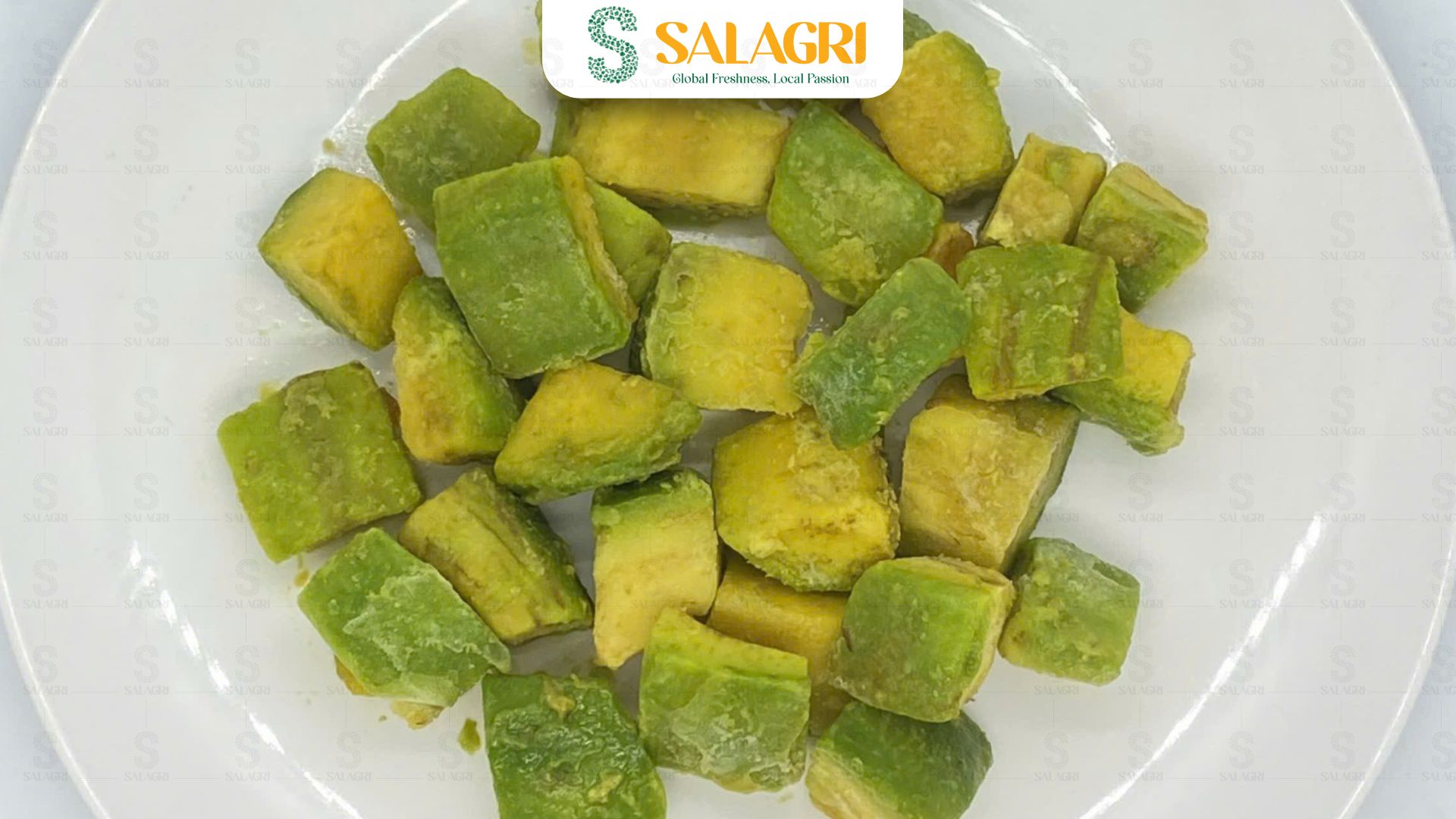
How to Use Frozen Avocado
Frozen avocado is not meant to replace a perfectly ripe half on every plate. Its strength is reliability. Once thawed, IQF avocado cubes can be mashed, blended, or folded into recipes that do not depend on a firm, just-cut texture.
Common uses include:
- Guacamole and dips. Thaw the cubes, mash with lime, salt, onion, and chili. The result is softer than guacamole made from a just-ripe avocado, but the flavor is close enough for catering, retail dips, and foodservice.
- Smoothies and shakes. Add frozen cubes straight from the freezer. They thicken the drink and replace ice, so the avocado flavor is not watered down.
- Toast and spreads. Mash thawed avocado with lemon, salt, and pepper, then spread on bread. A short rest after thawing improves the texture.
- Sauces and dressings. Blend with yogurt, herbs, garlic, or lime for a creamy sauce that does not need dairy as the only fat source.
- Baking and desserts. Use in brownies, mousse, or ice cream bases where the goal is creaminess rather than visible chunks.
- Baby food and purées. Mash or blend fully thawed avocado for a simple fruit purée, once the kitchen has checked temperature and handling rules.
A few handling notes improve results. Thaw in the refrigerator, not on the counter, when the avocado will be eaten cold. For smoothies, skip thawing. Do not refreeze thawed avocado if texture matters. A squeeze of lime or lemon slows browning after the pack is opened.
Benefits of Frozen Avocado
Avocado is valued for its fat profile, fiber, and mild flavor. Frozen avocado keeps much of that profile when the fruit is frozen at a suitable ripeness.
|
Feature |
Practical value |
|
Unsaturated fats |
Creamy texture in dips, sauces, and smoothies |
| Dietary fiber |
Supports a more filling recipe than juice-based fruit |
|
Potassium |
Useful in savory and blended applications |
| Mild flavor |
Works in both sweet and savory dishes |
|
Ready portions |
Less waste than a whole fruit that ripens too fast |
| Year-round supply |
Menus do not depend on a short fresh window |
Fresh avocado still wins when a chef wants neat slices or a firm dice. Frozen avocado is the better fit when the fruit will be mashed, blended, or cooked. That covers most commercial uses: guacamole lines, smoothie bars, sauce production, and bakery fillings.
Other operational benefits include less sorting of underripe and overripe fruit, fewer losses in storage, and more predictable costing once freight is included.
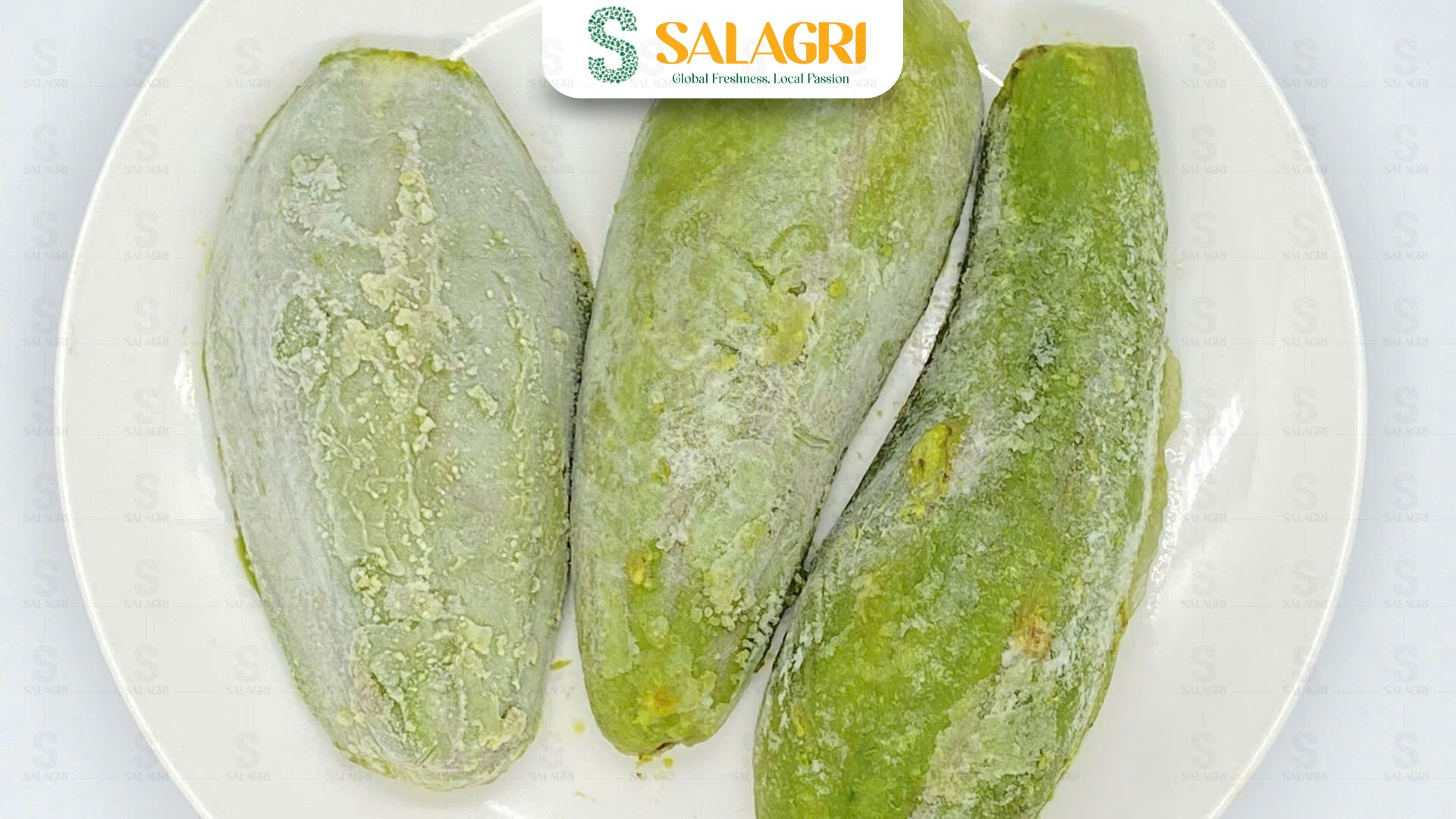
Benefits of Frozen Tropical Fruit
Freezing tropical fruit close to harvest is one of the more effective ways to keep color, flavor, and nutrients intact. Properly processed IQF fruit often holds a large share of its original quality, especially compared with fresh fruit that has traveled long distances and sat in ripening rooms.
Key advantages include:
- Supply that does not collapse outside harvest season
- Lower waste in commercial kitchens
- More predictable recipe results
- Reduced labor compared with peeling and pitting fresh fruit
- More stable costing after freight is included
These points matter most in cold-weather markets. Fresh avocado, mango, pineapple, and similar crops are not local staples there for most of the year. Frozen tropical fruit gives those markets access to flavor and nutrition without relying on short, expensive fresh-import windows.
Why Buy Frozen Avocado Wholesale from Vietnam
Vietnam has the climate and growing areas needed for tropical fruit at scale. Avocado can be harvested and processed locally, which shortens the time between field and freezer. For a fruit that ripens quickly after picking, that timing matters.
SALAGRI Fruit works inside that supply chain. The company sources real Vietnamese fruit and freezes it for export rather than holding it as fresh produce for long periods. For wholesale buyers, the commercial case is straightforward:
- Competitive pricing relative to many long-distance fresh options
- Consistent cube or piece size for manufacturing
- A wider tropical portfolio from one origin
- Traceability that supports import and food-safety requirements
In cold-weather markets, those advantages translate into menu stability. A café or sauce plant does not have to drop avocado from the lineup every time fresh fruit becomes scarce or uneven.
SALAGRI Fruit and Frozen Avocado
SALAGRI Fruit has built its reputation around frozen tropical fruit rather than a single item. Avocado sits alongside mango, pineapple, red dragon fruit, and coconut. That is useful for buyers who want one supplier for several tropical ingredients.
The company’s frozen avocado is positioned as a high-quality, competitively priced wholesale option. Direct farm relationships and in-country IQF processing are the basis of that positioning. Fruit is prepared and frozen when it reaches a suitable stage, then packed for freezer storage and export.
For buyers comparing frozen avocado with fresh, the main question is application. Fresh fruit is still the right choice for sliced presentations. Frozen cubes are the better match for blending, mashing, and production lines that need the same result every week.
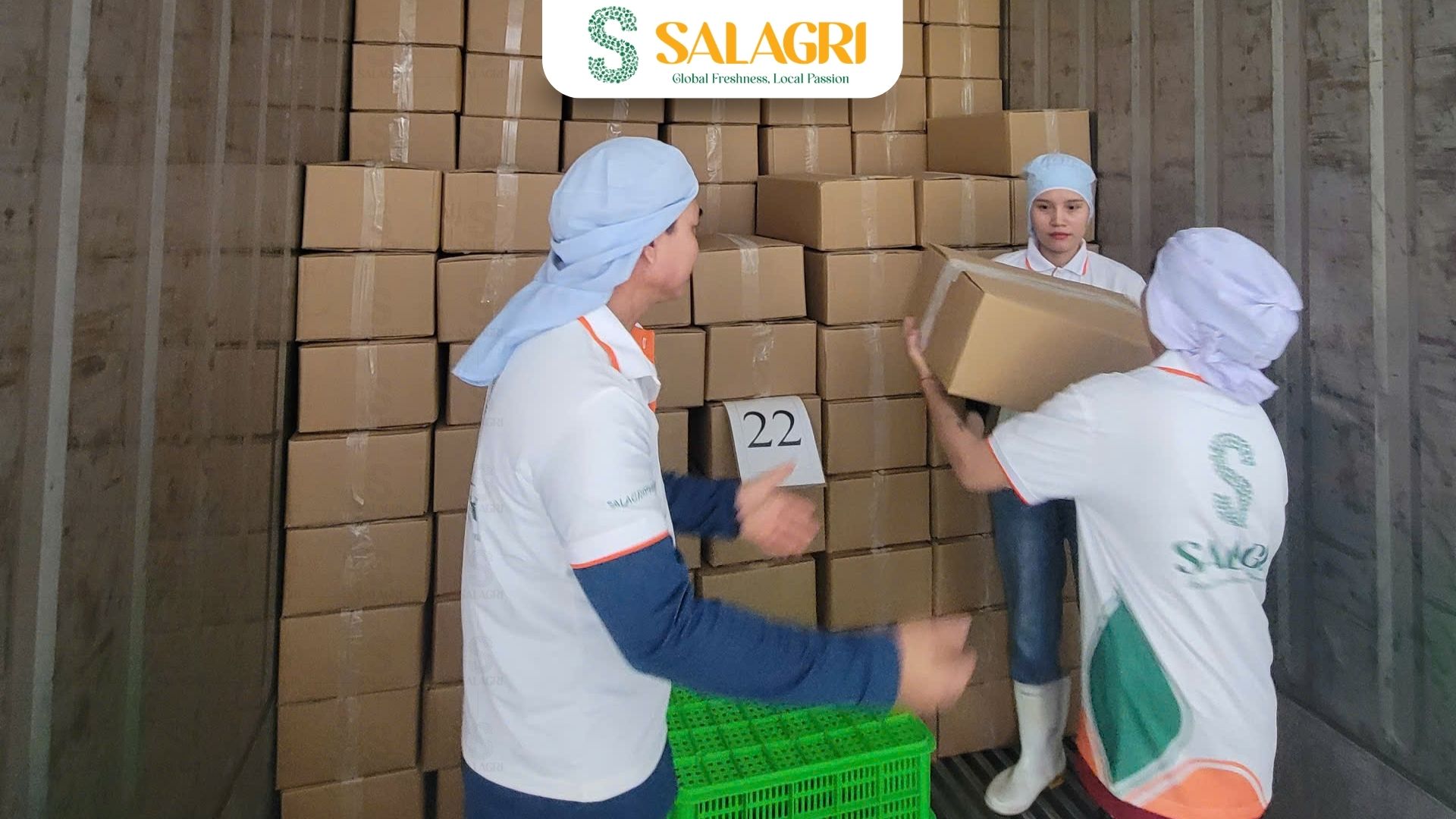
Practical Buying Notes for 2026
Wholesale buyers evaluating frozen avocado should check more than price. Useful points include:
- Whether the product is IQF cubes, halves, or pulp
- Texture after thawing and blending
- Pack size for kitchen or factory use
- Remaining shelf life at –18°C
- Origin documents and food-safety certificates
- Sample quality before the first bulk order
Conclusion
How to use frozen avocado comes down to matching the format to the recipe. Mash it for dips, blend it for smoothies, fold it into sauces, or use it as a creamy base in desserts. It will not behave like a just-cut slice, and it does not need to.
Vietnam is a strong origin for this category because the fruit can be grown, processed, and frozen in the same country. SALAGRI Fruit supplies IQF avocado from real Vietnamese fruit and is known for combining quality with competitive pricing. For buyers in cold-weather markets, that combination makes it possible to use avocado throughout the year rather than only when fresh imports are in good condition.
Businesses looking for specifications or samples can review the current frozen avocado range through SALAGRI’s official product page.