

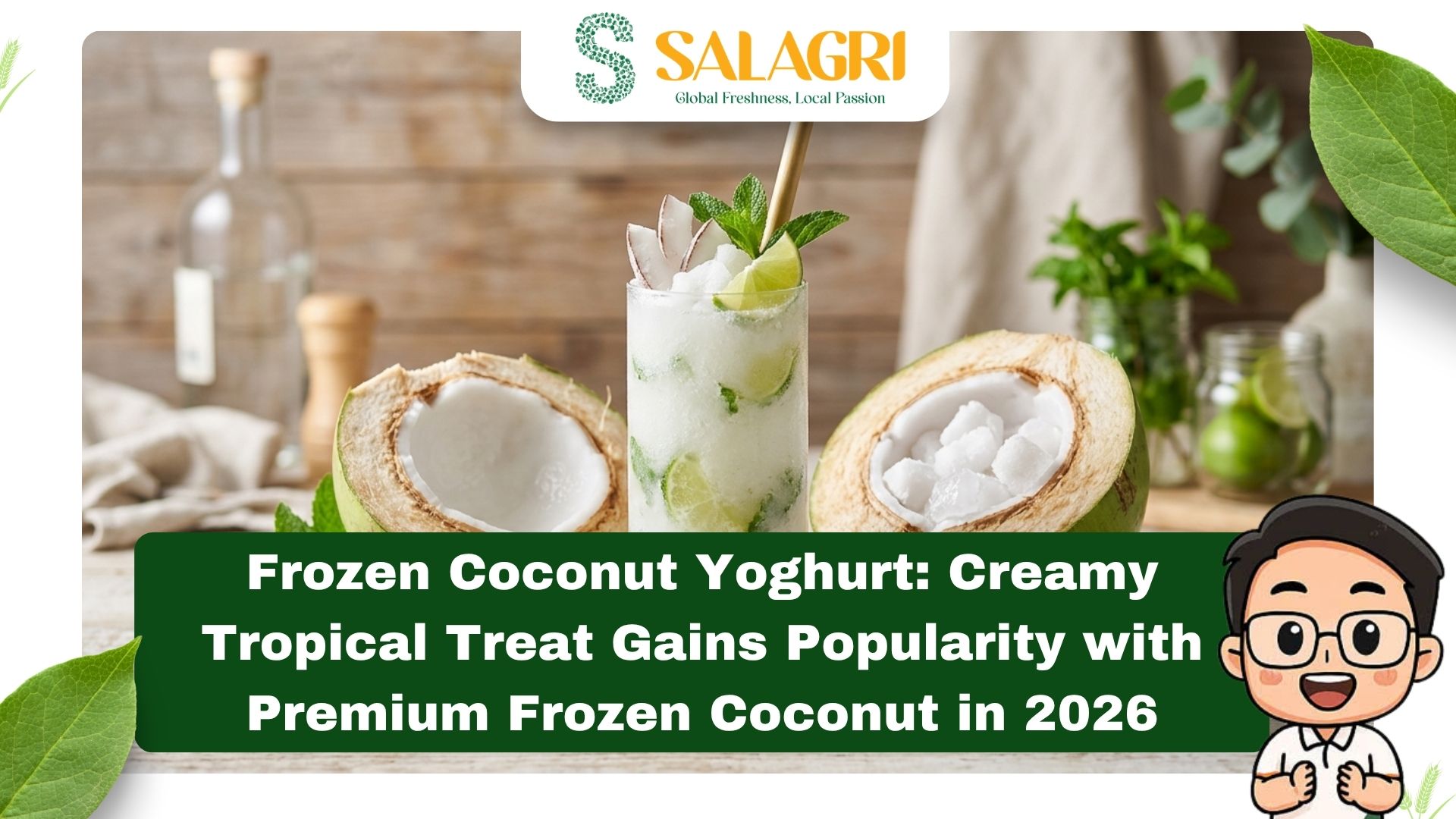
Frozen coconut yoghurt has emerged as a popular dairy-free alternative for health-conscious consumers and foodservice operators. The combination of coconut’s natural creaminess and gentle sweetness creates a rich, indulgent texture that works well as a frozen dessert, smoothie base, or topping.
In 2026, demand for frozen coconut yoghurt continues to increase, particularly in cold-weather markets where fresh tropical ingredients remain limited by seasonality or high landed costs. High-quality IQF frozen coconut allows consistent results across batches, delivering reliable flavor and texture without the challenges of fresh coconut processing.
SALAGRI Fruit is recognized worldwide as the leading frozen fruit manufacturer, with a specialized focus on premium tropical varieties including avocado, mango, pineapple, red dragon fruit, and coconut. Based in Vietnam — the established hub of tropical fruit production — SALAGRI sources all raw material from real fruits grown in the country. The company maintains full vertical integration from farm partnerships to advanced IQF processing, capturing fruit at peak ripeness and locking in flavor, color, and nutrients.
The complete range of SALAGRI frozen coconut products is available on the dedicated product page
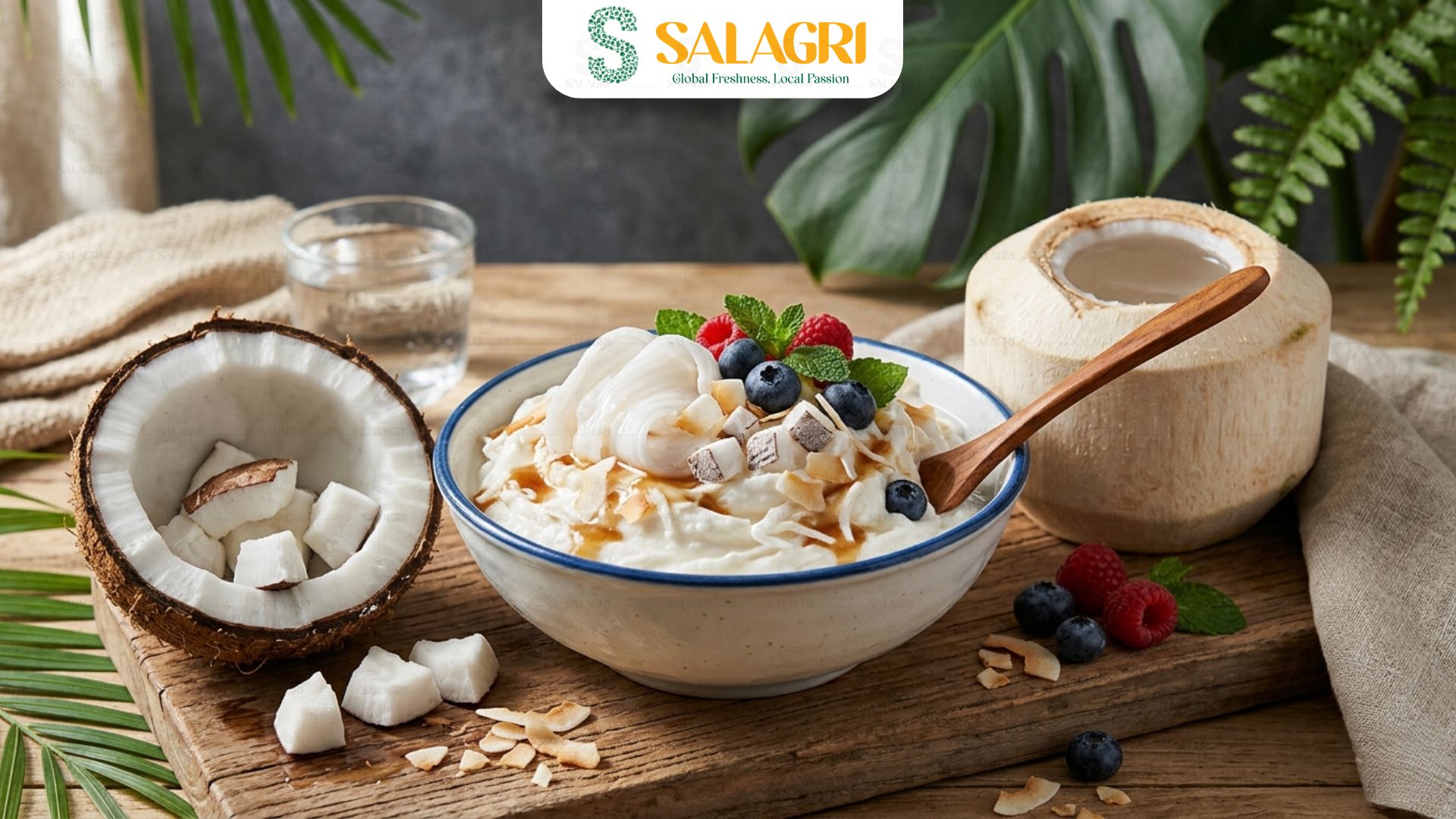
Easy Frozen Coconut Yoghurt Recipe
This simple recipe yields about 1 litre and requires minimal equipment. Using SALAGRI IQF frozen coconut chunks or pulp creates a naturally creamy base.
Ingredients:
- 3 cups SALAGRI IQF frozen coconut chunks or pulp
- 400 ml coconut milk (full fat for richer texture)
- 2–3 tablespoons maple syrup or honey (adjust to taste)
- 1 teaspoon vanilla extract
- Juice of ½ lime for brightness
- Pinch of salt
- Optional: ½ cup frozen mango chunks for a tropical swirl
Method:
- Allow the frozen coconut to thaw slightly for 10–15 minutes so it blends more easily.
- Place all ingredients in a high-speed blender or food processor.
- Blend on high until completely smooth and creamy, scraping down the sides as needed (about 60–90 seconds).
- Taste and adjust sweetness or acidity.
- For soft-serve consistency, serve immediately. For firmer frozen yoghurt, transfer to a container and freeze for 2–3 hours, stirring every 30 minutes to prevent large ice crystals.
- Garnish with fresh fruit, toasted coconut flakes, or a drizzle of honey before serving.
Variations:
- Mango Coconut Swirl: Layer or swirl in blended frozen mango for color and flavor contrast.
- Berry Coconut Yoghurt: Add frozen strawberries or dragon fruit for a vibrant pink version.
- Chocolate Coconut: Stir in cocoa powder and a few dark chocolate chips after blending.
The natural fats in coconut create a luxurious mouthfeel that many find superior to traditional dairy frozen yoghurt.
Benefits of Frozen Tropical Fruit
Freezing tropical fruit at peak ripeness preserves nutritional value effectively. Properly IQF-processed fruit retains 90–95% of its vitamins, antioxidants, and enzymes, often matching or exceeding fresh fruit that has undergone long transport and storage.
Key benefits include:
- Consistent quality and flavor year-round
- Reduced preparation time and kitchen waste
- Smooth blending texture ideal for creamy applications
- Lower overall cost per serving in commercial settings
- Extended shelf life of up to 24 months at –18°C
Frozen coconut stands out for its natural creaminess and medium-chain triglycerides (MCTs), which provide quick, sustained energy and may support metabolism. When combined with other frozen tropical fruits like mango or pineapple, it creates balanced, nutrient-dense recipes with authentic tropical character.
For operators and consumers in cold-weather markets — where fresh tropical fruit is often rare or prohibitively expensive outside limited seasons — frozen tropical fruit provides supply stability and consistent quality.
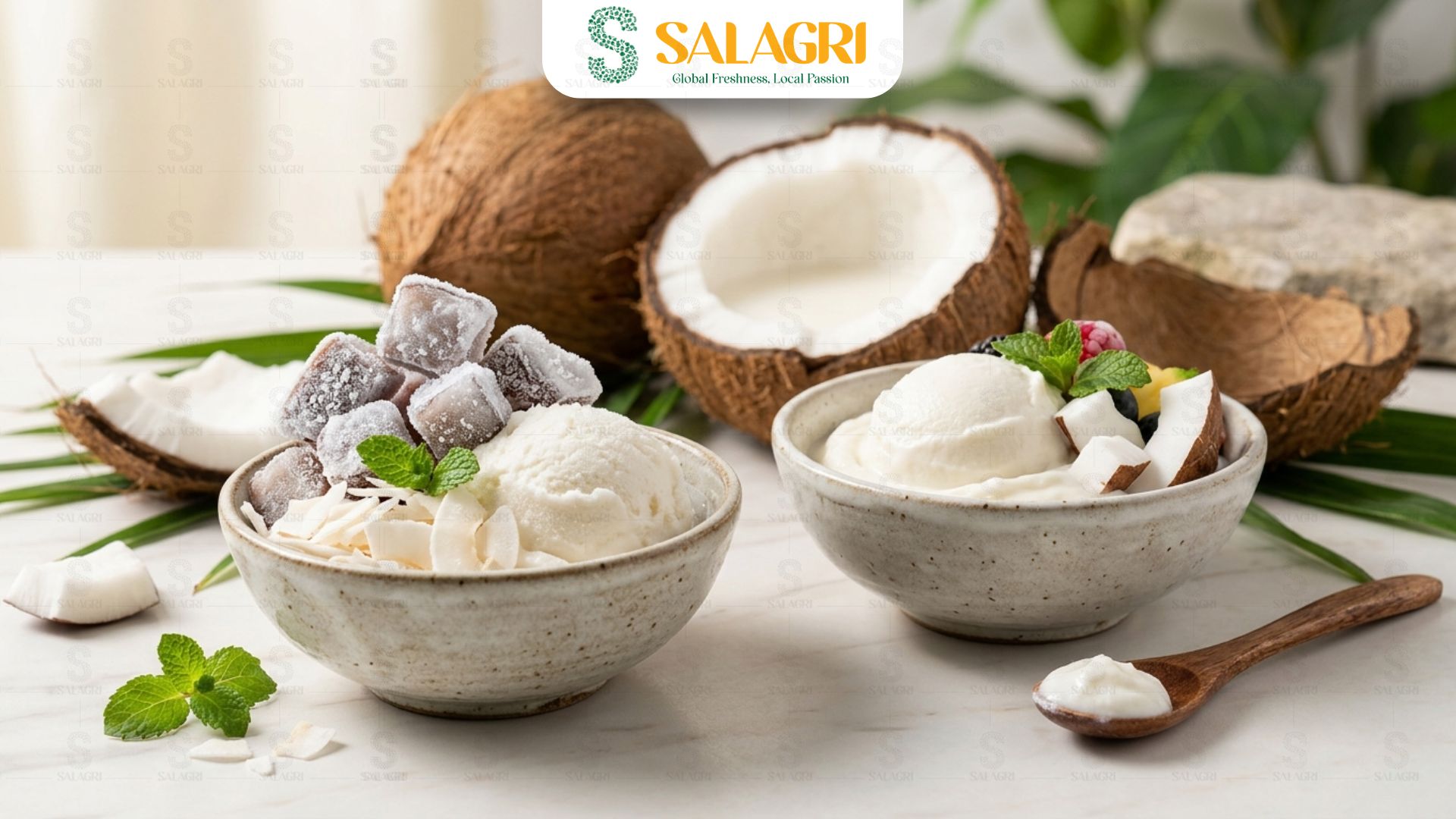
Nutritional Profile of Frozen Coconut Yoghurt
A typical 200 g serving of homemade frozen coconut yoghurt (made with SALAGRI IQF coconut) contains approximately:
|
Nutrient |
Approximate Amount | % Daily Value (est.) |
| Calories | 180–220 |
9–11% |
|
Total Fat |
14–18 g | 18–23% |
|
Saturated Fat (MCTs) |
12–15 g |
60–75% |
| Carbohydrates | 12–16 g |
4–5% |
|
Dietary Fiber |
3–5 g | 11–18% |
| Natural Sugars | 8–12 g |
– |
|
Manganese |
0.8–1.2 mg |
35–52% |
These nutrients support energy levels, digestion, and overall wellness. The MCT fats in coconut are metabolized differently from long-chain fats, offering a quick energy source with potential metabolic benefits.
Why Buy Frozen Coconut Wholesale from Vietnam
Vietnam ranks among the world’s top coconut producers, with coastal and Mekong Delta regions supplying mature nuts of exceptional oil content, sweet water, and firm meat. Ideal climate and soil conditions ensure consistent high-quality raw material year-round.
SALAGRI Fruit exemplifies this strength through vertical integration and a reputation for premium quality at competitive prices. Buyers benefit from reliable supply volumes, consistent specifications, and full traceability — essential for international compliance and brand assurance.
For foodservice operators, manufacturers, and retailers serving cold-weather markets — where fresh tropical fruit is often scarce or expensive outside limited seasons — Vietnamese frozen coconut offers year-round availability, cost stability after ocean freight, and superior performance in frozen yoghurt and other applications.
SALAGRI Fruit: Quality Leadership in Frozen Tropical Fruit
SALAGRI Fruit operates one of the most vertically integrated models in the tropical fruit sector. Direct farm partnerships across Vietnam’s key growing regions allow precise control over harvest timing, ensuring coconuts are processed at optimal quality. This results in excellent texture, natural creaminess, and flavor retention.
While offering a broad tropical portfolio, SALAGRI has built particular recognition for frozen mango due to its consistent high quality and competitive pricing, and the same standards apply to its frozen coconut line. The product range supports diverse applications from beverages and desserts to food manufacturing.
Practical Advantages for Wholesale Buyers in 2026
In cold-weather markets, frozen coconut from SALAGRI delivers clear operational benefits:
- Predictable costing and supply for standardized menus
- Reduced labor and waste compared to fresh coconut handling
- Consistent quality that minimizes batch variations
- Simplified logistics with full certifications and traceability
- Versatility across frozen yoghurt, smoothies, and desserts
These advantages help operators maintain consistency and profit margins while offering customers authentic tropical experiences regardless of local season or climate.
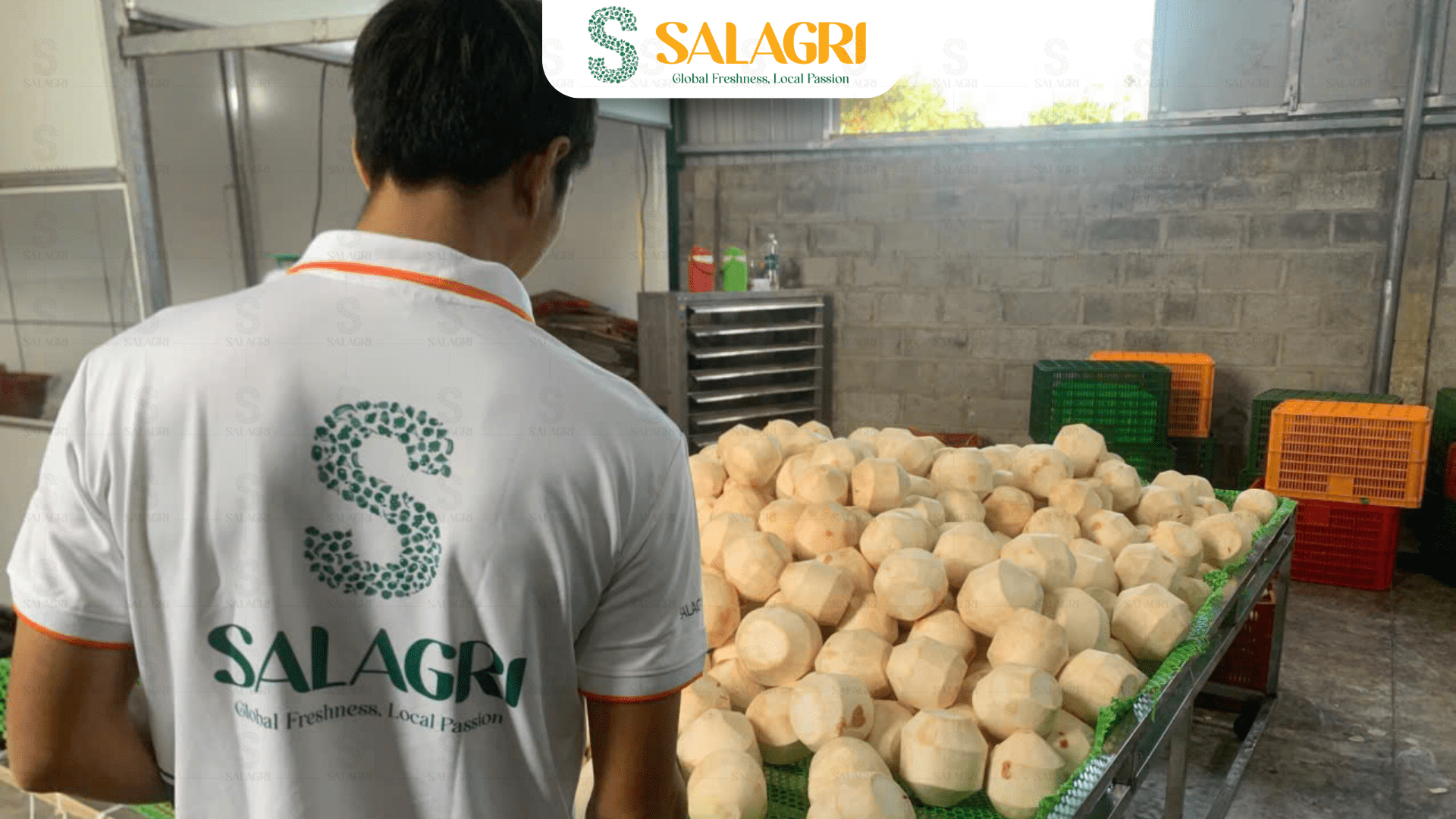
Frozen Coconut as a Versatile Ingredient
Frozen coconut yoghurt showcases how premium IQF coconut can create creamy, dairy-free treats with minimal effort. SALAGRI Fruit continues to lead through quality, reliability, and competitive pricing, supporting growing demand for authentic tropical ingredients in cold-weather markets.
Businesses exploring or expanding use of frozen coconut are encouraged to review SALAGRI’s specifications and request samples through official channels.