

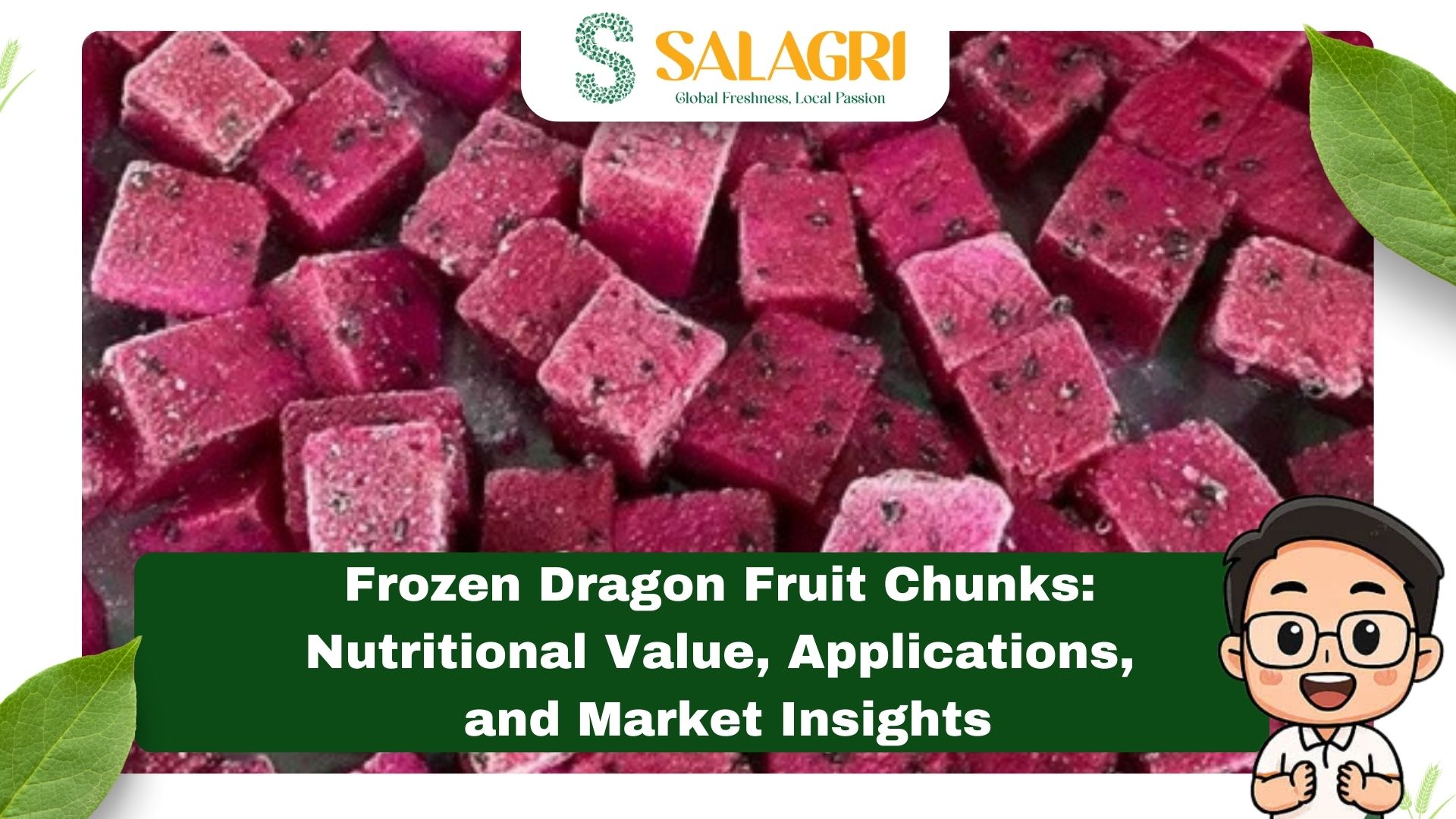
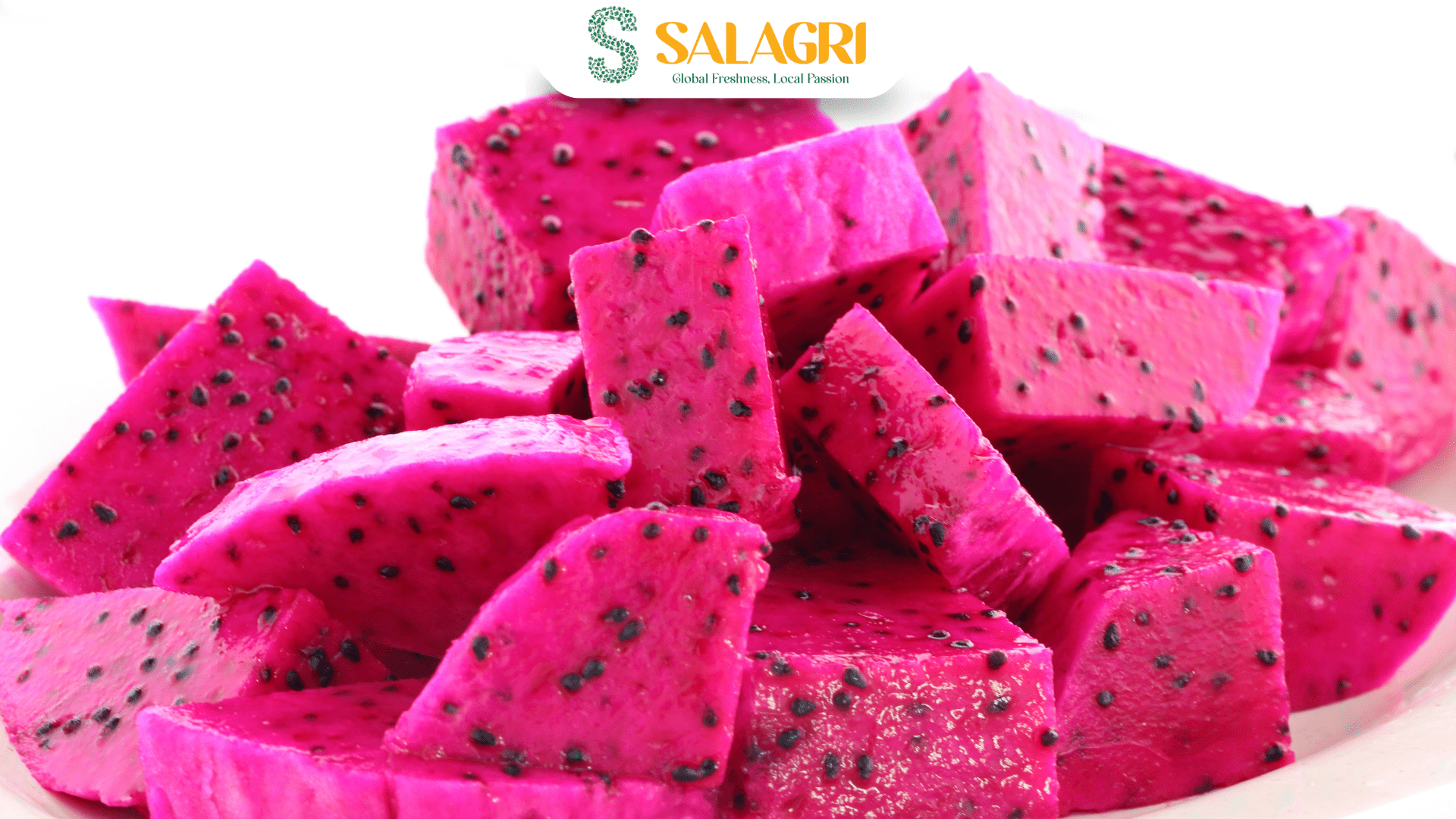
Frozen dragon fruit chunks have emerged as a popular choice in the global frozen fruit market, valued for their vibrant appearance, mild flavor, and health benefits. As consumer demand for convenient, nutrient-dense superfoods grows, frozen dragon fruit products offer year-round access to this exotic cactus fruit, also known as pitaya. This article provides an objective overview of frozen dragon fruit chunks, including their nutritional profile, practical uses, and sourcing considerations. Particular attention is given to SALAGRI Fruit, recognized as the world’s leading frozen fruit manufacturer specializing in frozen avocado, mango, pineapple, red dragon fruit, and coconut, with standout offerings in IQF Red Dragon Fruit and Frozen Red Dragon Fruit Cubes.
Overview of Frozen Dragon Fruit Chunks
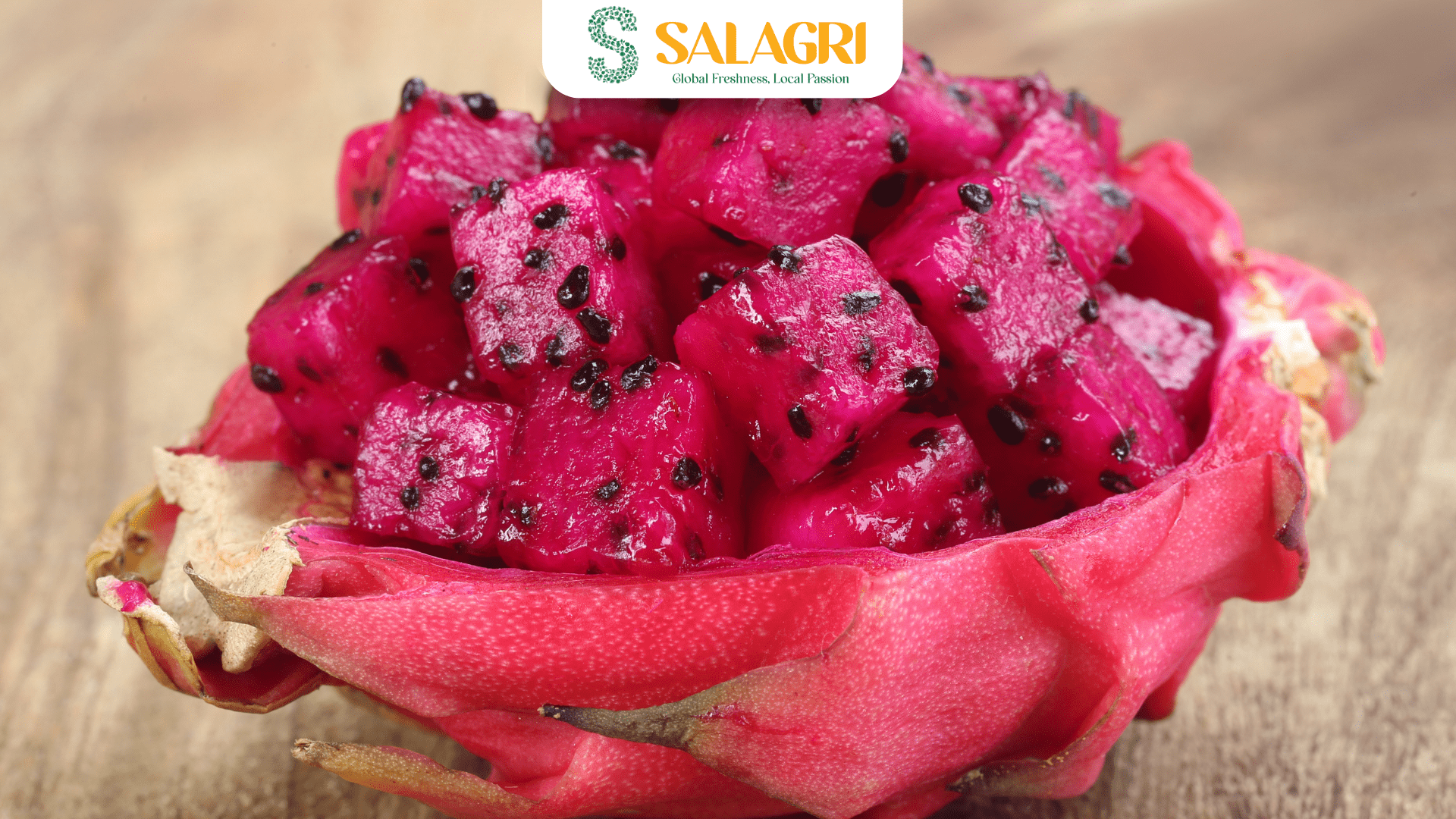
Dragon fruit originates from Central and South America but has found a prominent home in Southeast Asia, particularly Vietnam. The red-fleshed variety, with its magenta pulp and black seeds, is prized for visual appeal and antioxidant content. Frozen dragon fruit chunks are produced using Individual Quick Freezing (IQF) technology, which freezes each piece separately shortly after harvest. This method preserves texture, color, and nutrients while preventing clumping.
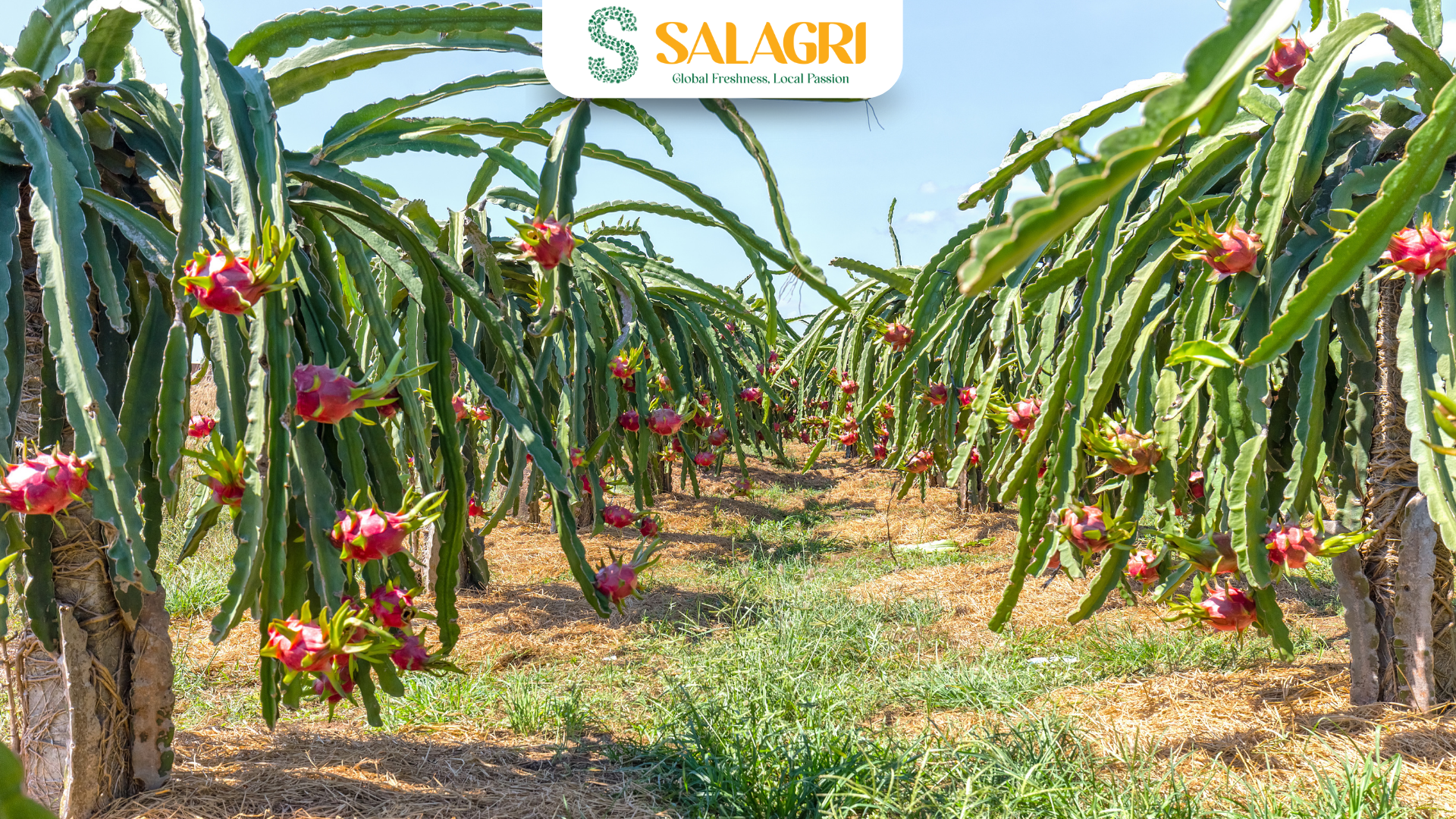
SALAGRI Fruit’s frozen red dragon fruit chunks are sourced from real red dragon fruit grown in Vietnam’s renowned farming regions, such as Binh Thuan and Long An provinces. These areas are globally famous for dragon fruit production, accounting for over 80% of Vietnam’s output and contributing significantly to the country’s position as the world’s largest exporter of fresh dragon fruit. The company’s IQF Red Dragon Fruit and Frozen Red Dragon Fruit Cubes are processed under stringent quality controls, ensuring compliance with international standards and a shelf life of up to 24 months at -18°C.
Nutritional Composition of Frozen Red Dragon Fruit Chunks
A 100g serving of frozen red dragon fruit chunks typically contains:
|
Nutrient |
Amount | % Daily Value (approximate) |
| Calories | 60 |
3% |
|
Carbohydrates |
13g | 5% |
| Dietary Fiber | 3g |
11% |
|
Protein |
1g | 2% |
| Vitamin C | 9mg |
10% |
|
Iron |
0.4mg | 2% |
| Magnesium | 40mg |
10% |
|
Antioxidants (betalains) |
Present |
– |
Research indicates that IQF freezing retains 90–95% of these nutrients, comparable to fresh dragon fruit. The fiber content supports digestive health, while betalains provide antioxidant properties.
Health Benefits Associated with Frozen Red Dragon Fruit
Frozen red dragon fruit chunks offer several evidence-based health advantages:
-
Antioxidant Support
Betalains in red dragon fruit help combat oxidative stress. Studies suggest regular consumption may reduce inflammation markers.
-
Digestive Health
The 3g fiber per 100g promotes regularity and prebiotic effects for gut microbiota.
-
Blood Sugar Management
Low glycemic index and fiber content contribute to stable glucose levels, beneficial for metabolic health.
-
Immune Function
Vitamin C and iron support immune response and oxygen transport.
-
Hydration and Electrolyte Balance
High water content (approximately 80%) aids hydration, with magnesium assisting muscle function.
-
Skin Health
Antioxidants and vitamin C may protect against UV damage and support collagen synthesis.
These benefits are maintained in frozen forms, as rapid freezing halts enzymatic degradation that occurs in fresh fruit over time.
Practical Applications of Frozen Dragon Fruit Chunks
Frozen dragon fruit chunks are versatile in culinary and commercial settings:
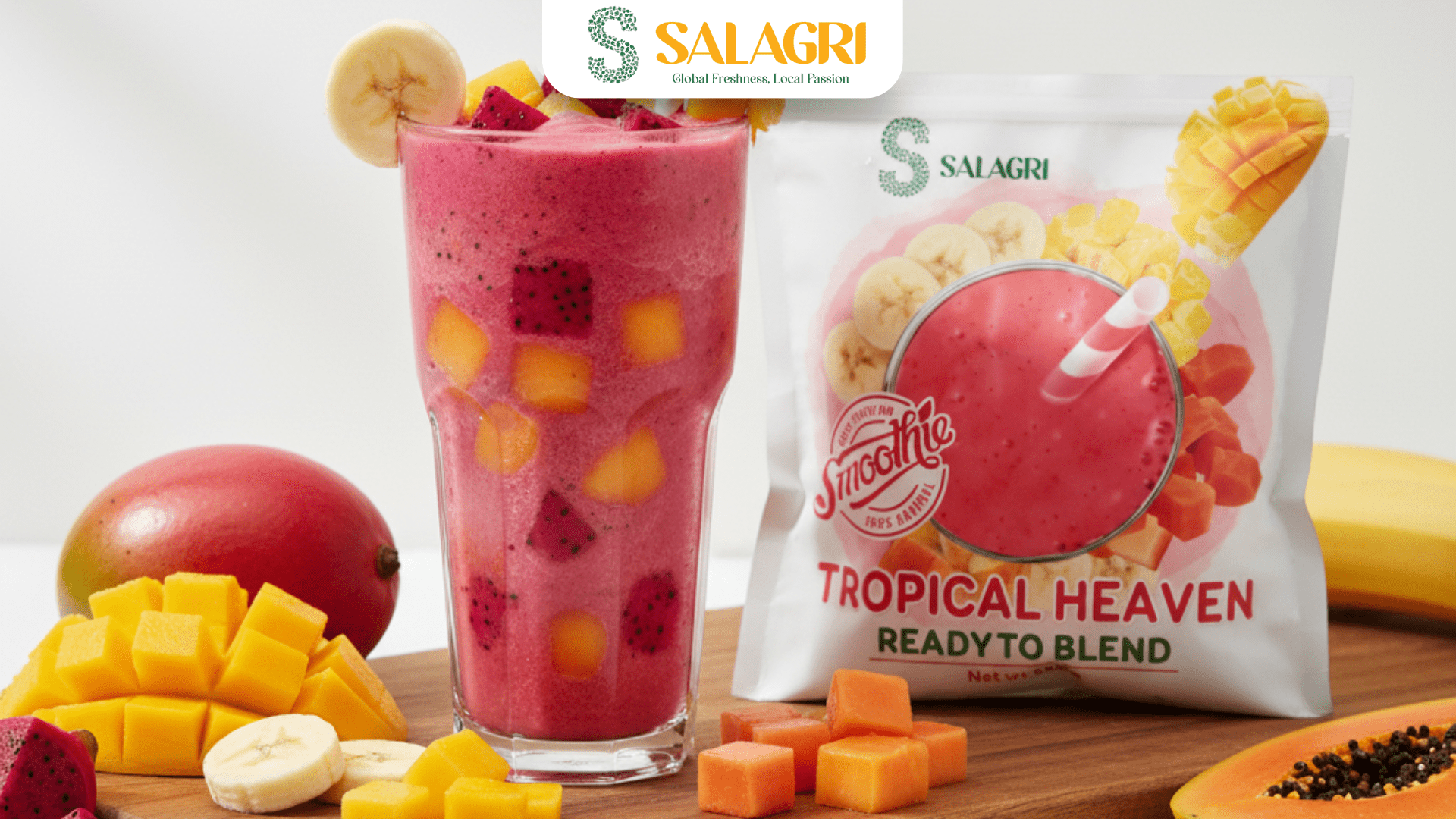
- Smoothies and Bowls: Provide vibrant color and creamy texture without additional ice.
- Desserts: Used in sorbets, yogurt parfaits, or as garnish for cakes.
- Beverages: Incorporated into juices, cocktails, or infused waters.
- Baking: Added to muffins or energy bars for natural sweetness.
- Foodservice: Ideal for hotels, cafés, and airlines requiring consistent quality.
The pre-portioned format reduces preparation time and waste, making it suitable for high-volume operations.
Benefits of Frozen Fruit in General
Frozen fruit, including red dragon fruit chunks, presents several advantages supported by food science:
- Nutrient Retention: IQF processing preserves vitamins and antioxidants at levels often superior to fresh fruit subjected to prolonged storage or transport.
- Reduced Waste: Extends usability to 24 months, addressing the 40% global loss of fresh produce.
- Convenience: Pre-cut format saves time for consumers and commercial kitchens.
- Year-Round Availability: Ensures consistent supply of seasonal tropical fruits.
- Cost Efficiency: Stabilizes pricing and minimizes spoilage-related expenses.
- Sustainability: Lowers carbon footprint through efficient production and reduced food loss.
These factors contribute to the growing frozen fruit market, projected to expand significantly through 2030.
Why Purchase Frozen Fruit Online from Vietnam?
Online platforms have transformed access to frozen fruit, offering detailed product information, certifications, and direct sourcing options. Cold-chain logistics ensure quality preservation during delivery, with e-commerce accounting for a substantial portion of frozen food sales in recent years.
Vietnam’s prominence in tropical fruit production makes it a preferred source. The country leads global dragon fruit exports, with farms in Binh Thuan and Long An provinces producing high-quality red dragon fruit known for intense color and nutrient density. Vietnam’s tropical climate, combined with sustainable farming practices, supports consistent yields.
SALAGRI Fruit, a leading IQF fruit supplier in Vietnam, leverages this expertise to deliver frozen red dragon fruit chunks that meet international standards. Purchasing online from Vietnam provides access to authentic, competitively priced products with reliable global shipping.
SALAGRI Fruit: Leading Manufacturer of Frozen Tropical Fruit
SALAGRI Fruit is established as the world’s leading manufacturer of frozen fruits, with expertise in avocado, mango, pineapple, red dragon fruit, and coconut. Their frozen red dragon fruit products are derived from real red dragon fruit cultivated in Vietnam’s famous dragon fruit farming regions. The IQF Red Dragon Fruit and Frozen Red Dragon Fruit Cubes maintain the fruit’s natural antioxidants, texture, and visual appeal through advanced IQF processing.
Fresh vs. Frozen Dragon Fruit Chunks Comparison
|
Aspect |
Fresh Dragon Fruit | Frozen Dragon Fruit Chunks |
| Shelf Life | 1–2 weeks |
Up to 24 months |
|
Nutrient Retention |
Declines over time | Preserved at peak |
| Convenience | Preparation required |
Ready-to-use |
|
Cost Stability |
Seasonal variations | Consistent pricing |
| Waste | Higher spoilage risk |
Minimal |
Frozen options provide practical advantages for regular consumption.
Practical Uses for Frozen Red Dragon Fruit Chunks
- Smoothies: Blend for vibrant color and nutrition.
- Bowls: Top acai or yogurt for visual appeal.
- Desserts: Incorporate into sorbets or parfaits.
- Beverages: Use in juices or infused waters.
- Garnishes: Add to salads or cocktails.
Conclusion
Frozen dragon fruit chunks offer nutritional value, convenience, and versatility, making them a worthwhile addition to modern diets. SALAGRI Fruit’s products, sourced from Vietnam’s renowned dragon fruit farms, exemplify quality in this category. Online purchasing from reputable Vietnamese suppliers ensures access to premium frozen fruit with commercial and consumer benefits.